
One Day / One Frame is a long-term photographic practice structured around a simple and uncompromising rule: one image per day.
The project began on the first night of the year — not as a way of recording events, but as a practice of recognizing when a place becomes photographable.
Publications:
• Dodho Magazine — Editorial feature — 20.04.2026
• Dodho Magazine — Editorial feature — 02.07.2026
• WPAI Newsletter (Issue 22, July 2026) — One Day / One Frame: six-page editorial feature
Press Coverage:
• Alūksnes un Malienas Ziņas — “Viena diena, viens kadrs jeb kā Jana Rāga katru dienu iemūžina Alūksni” — interview / feature by Sandra Apine — 31.07.2026


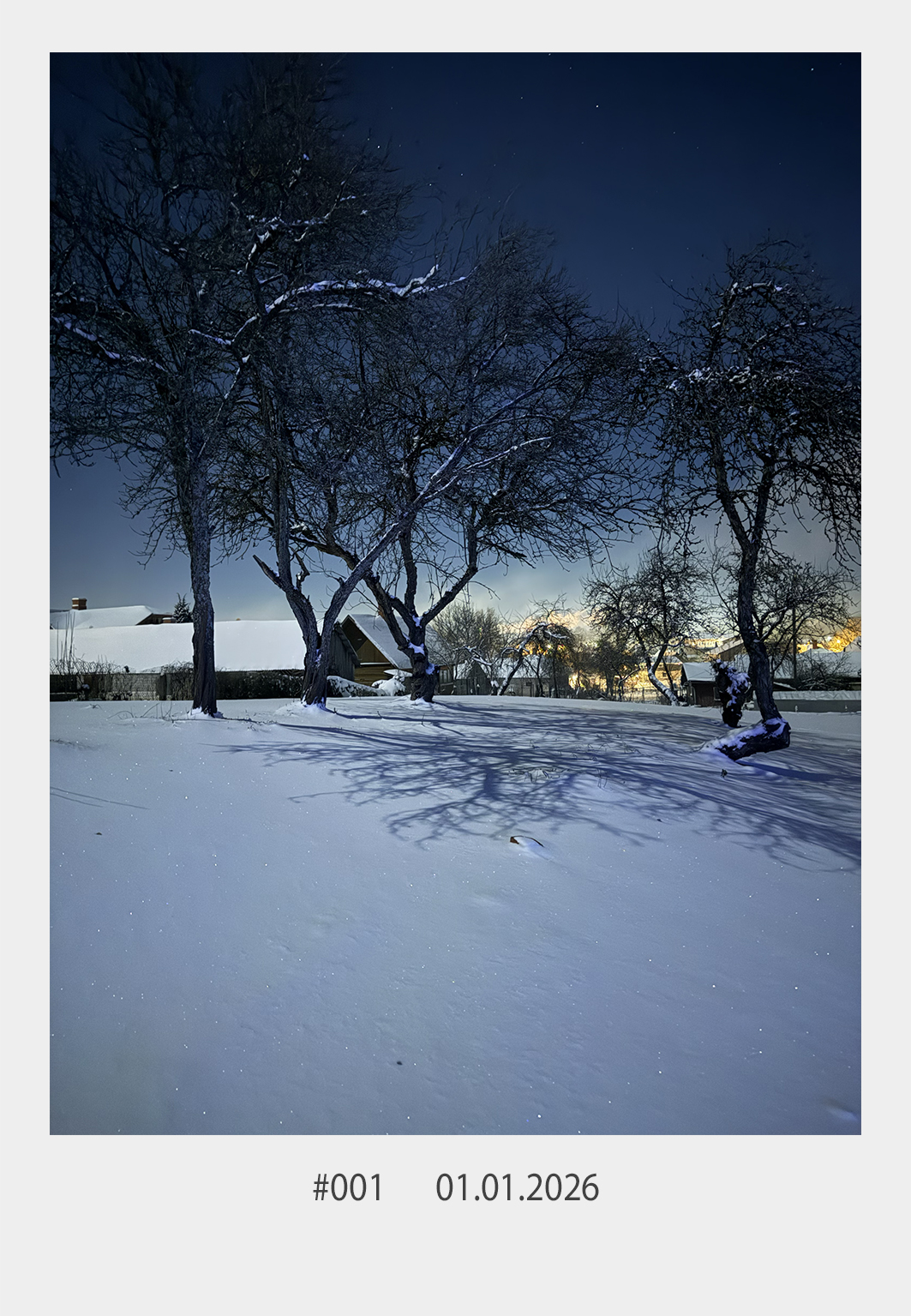
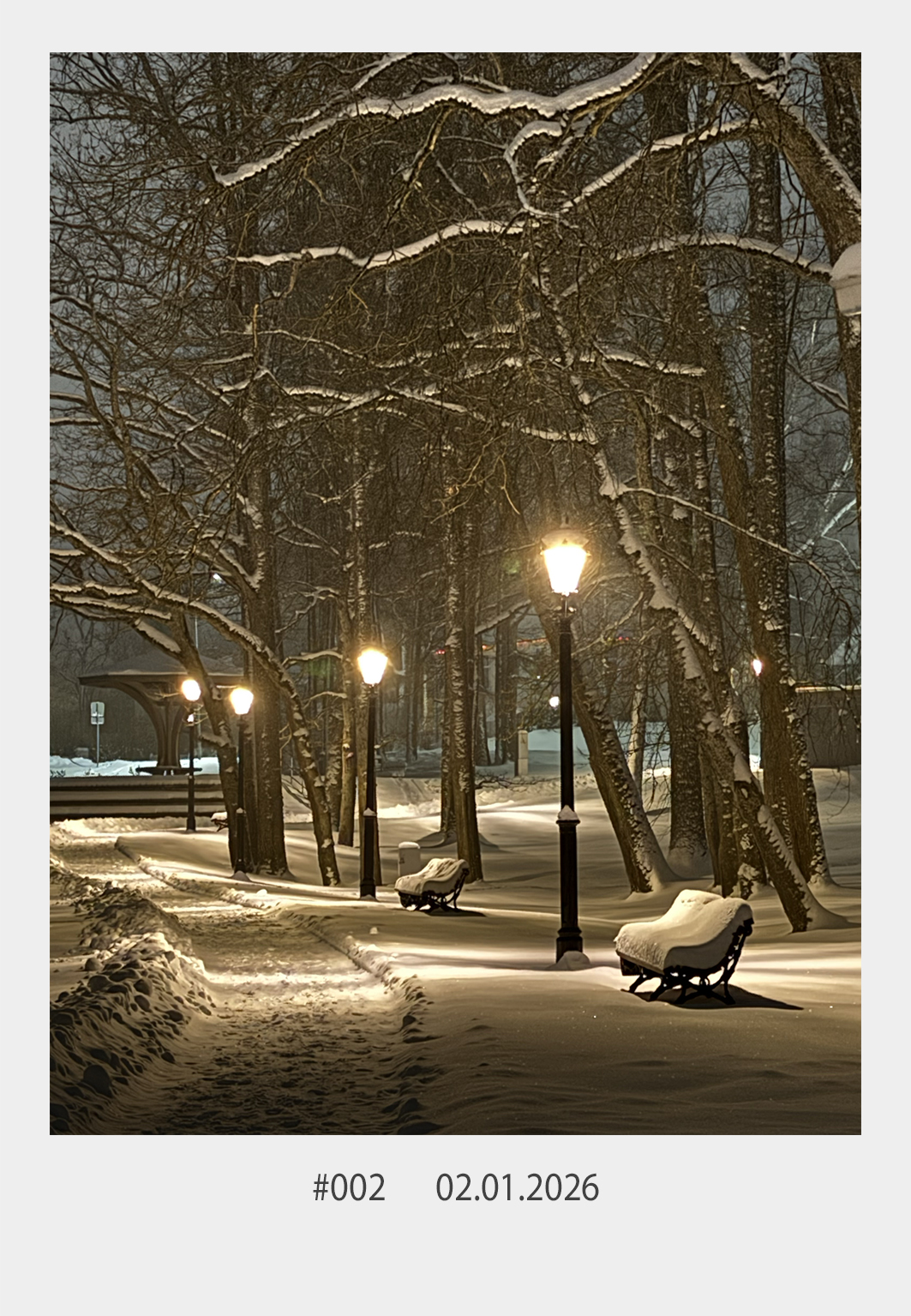
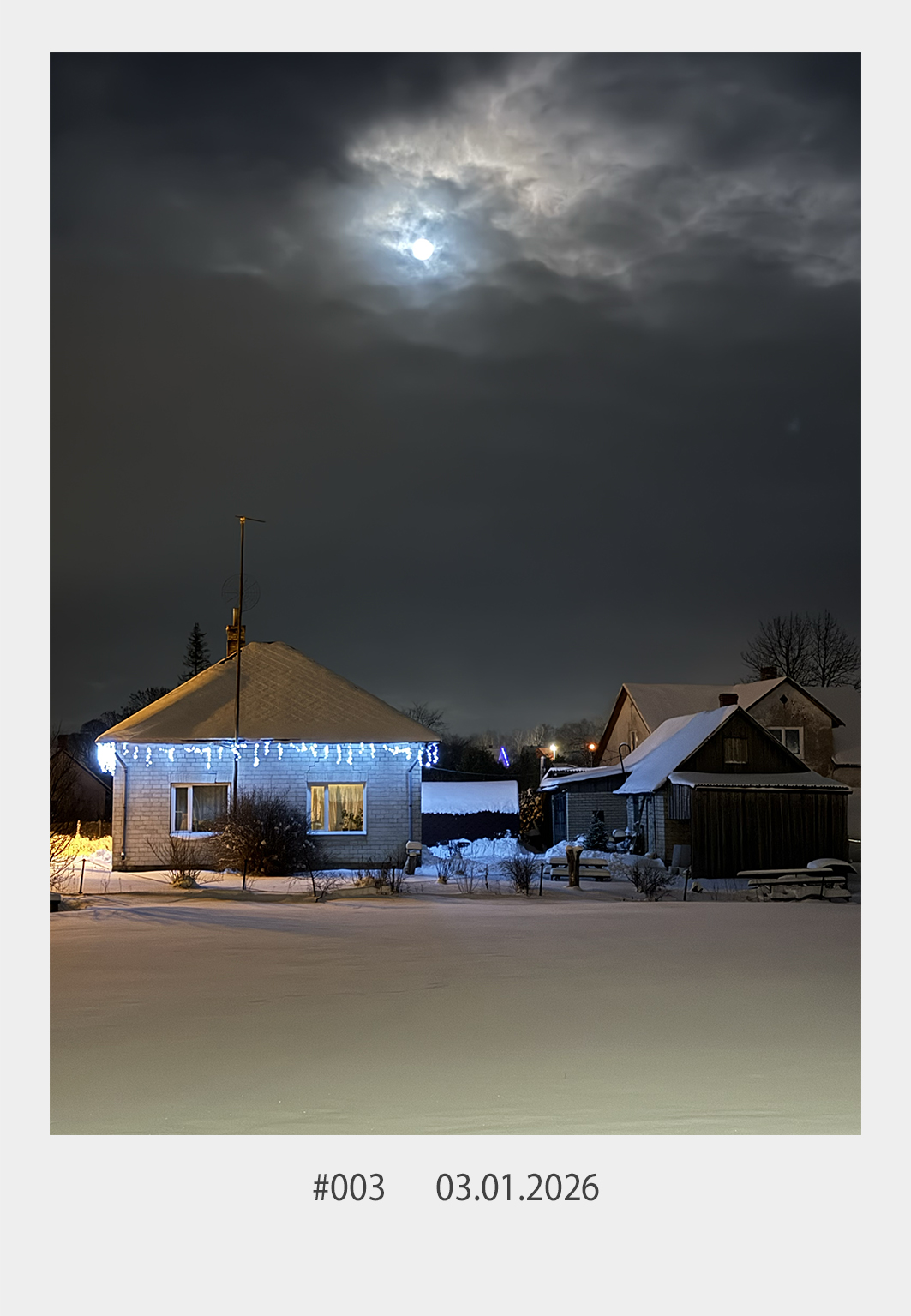
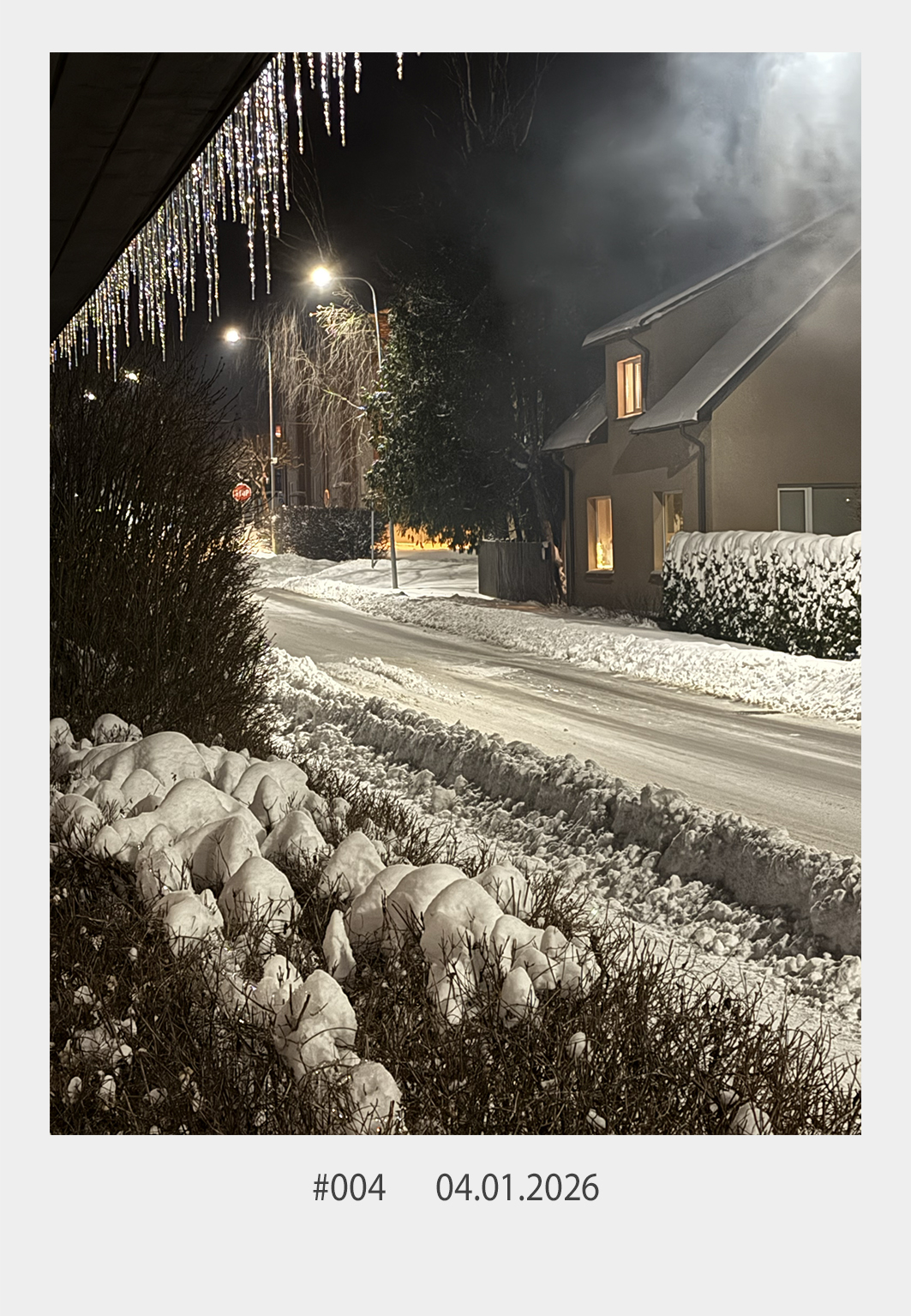
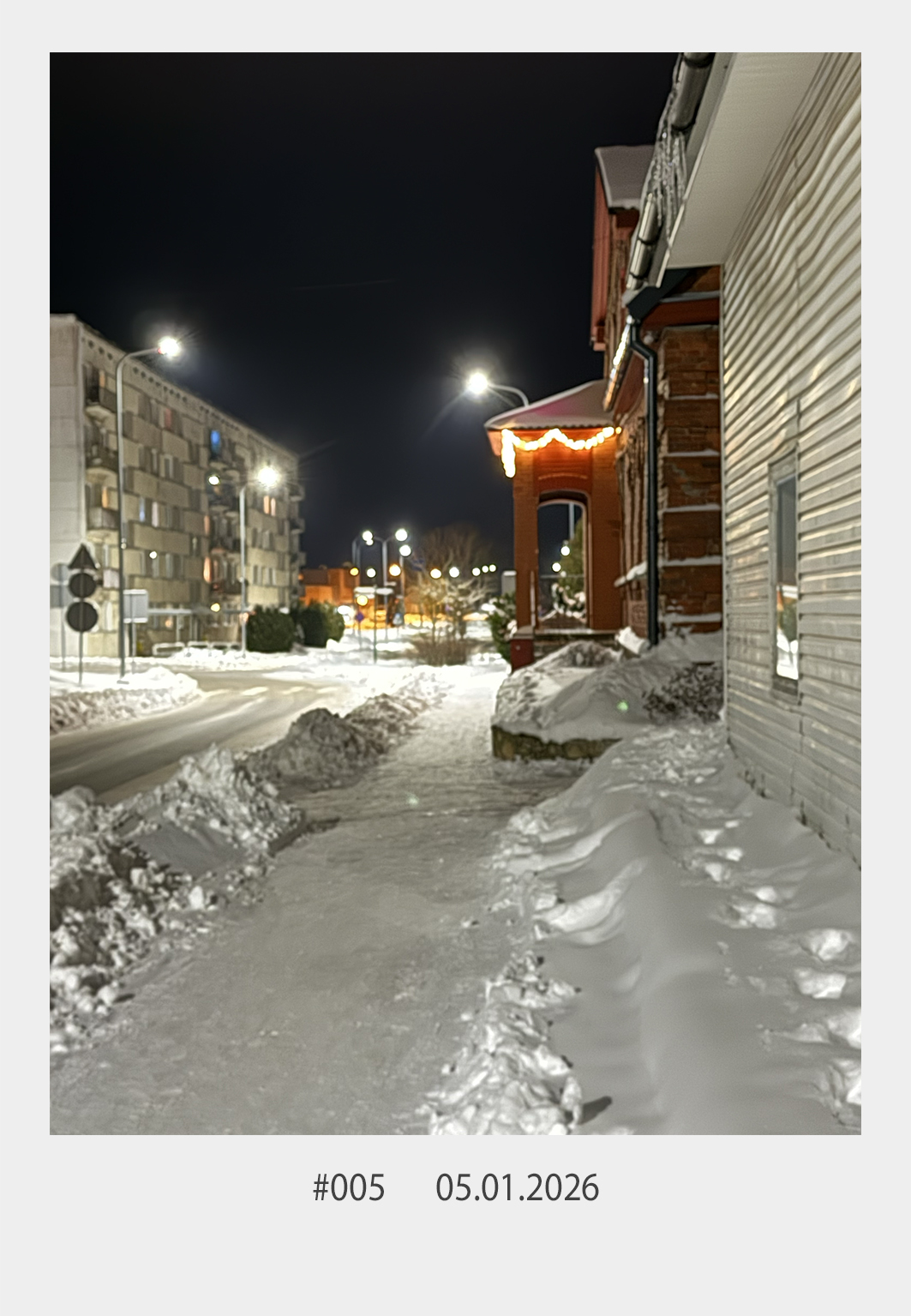
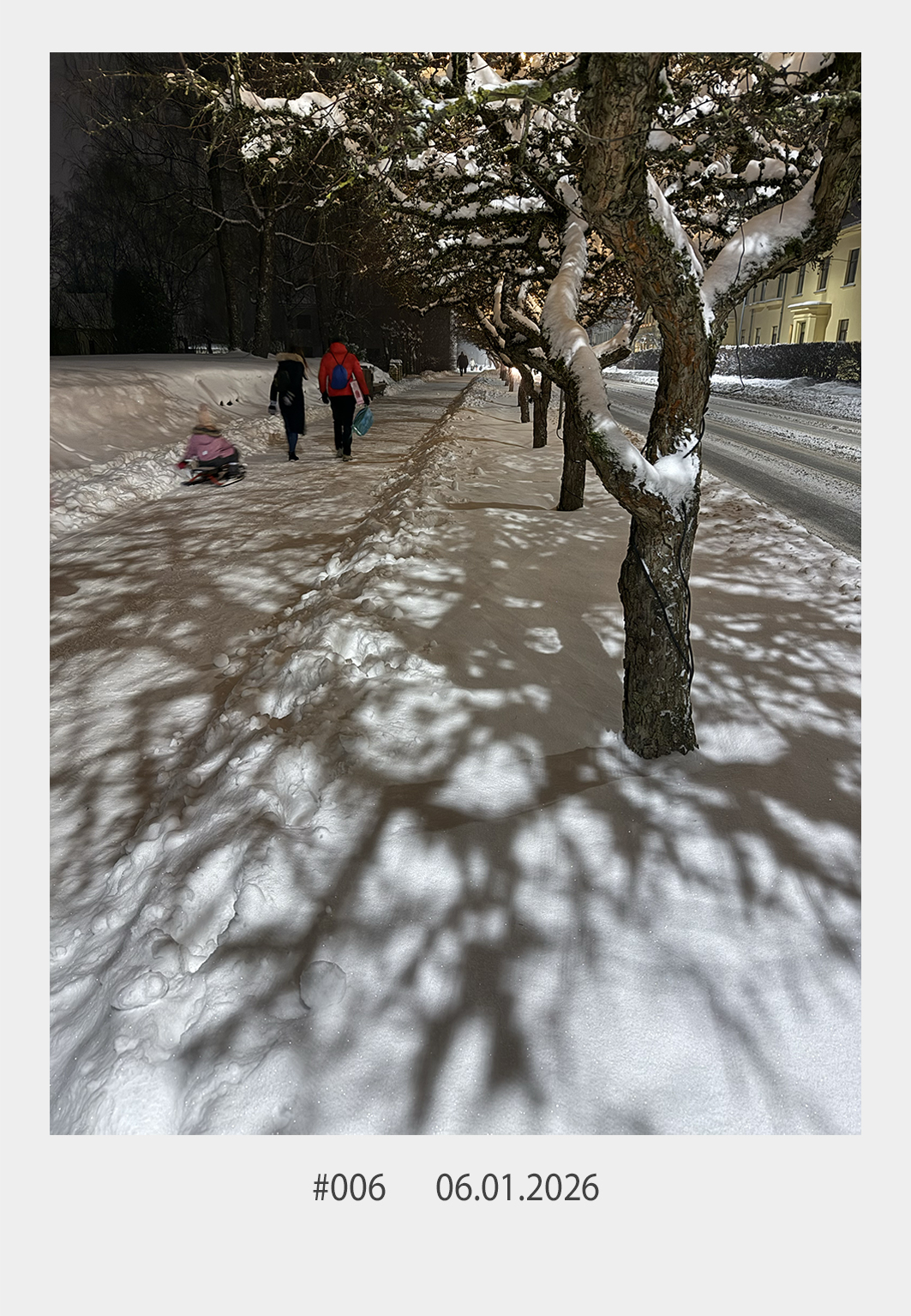
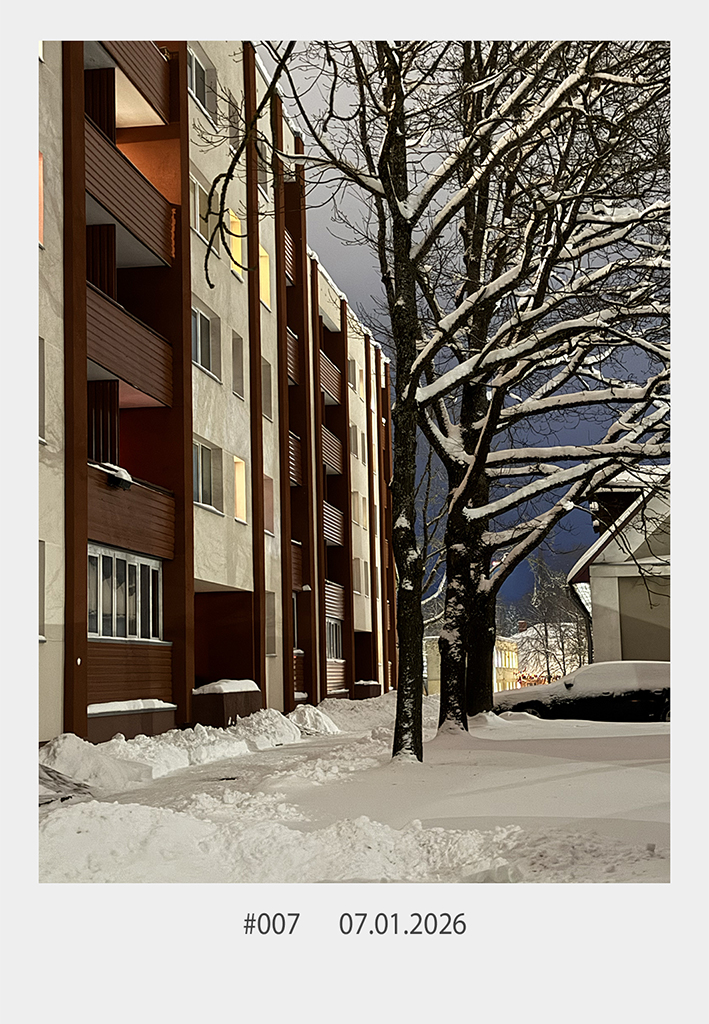
The rule is absolute: one day, one frame.
This limitation is not a restriction, but a tool.
It removes excess and demands a decision.
Each day, I move through the same environment, knowing that everything I see will be reduced to a single image. Out of all possible moments, only one will remain.
What initially feels like loss becomes, over time, a condition for seeing.
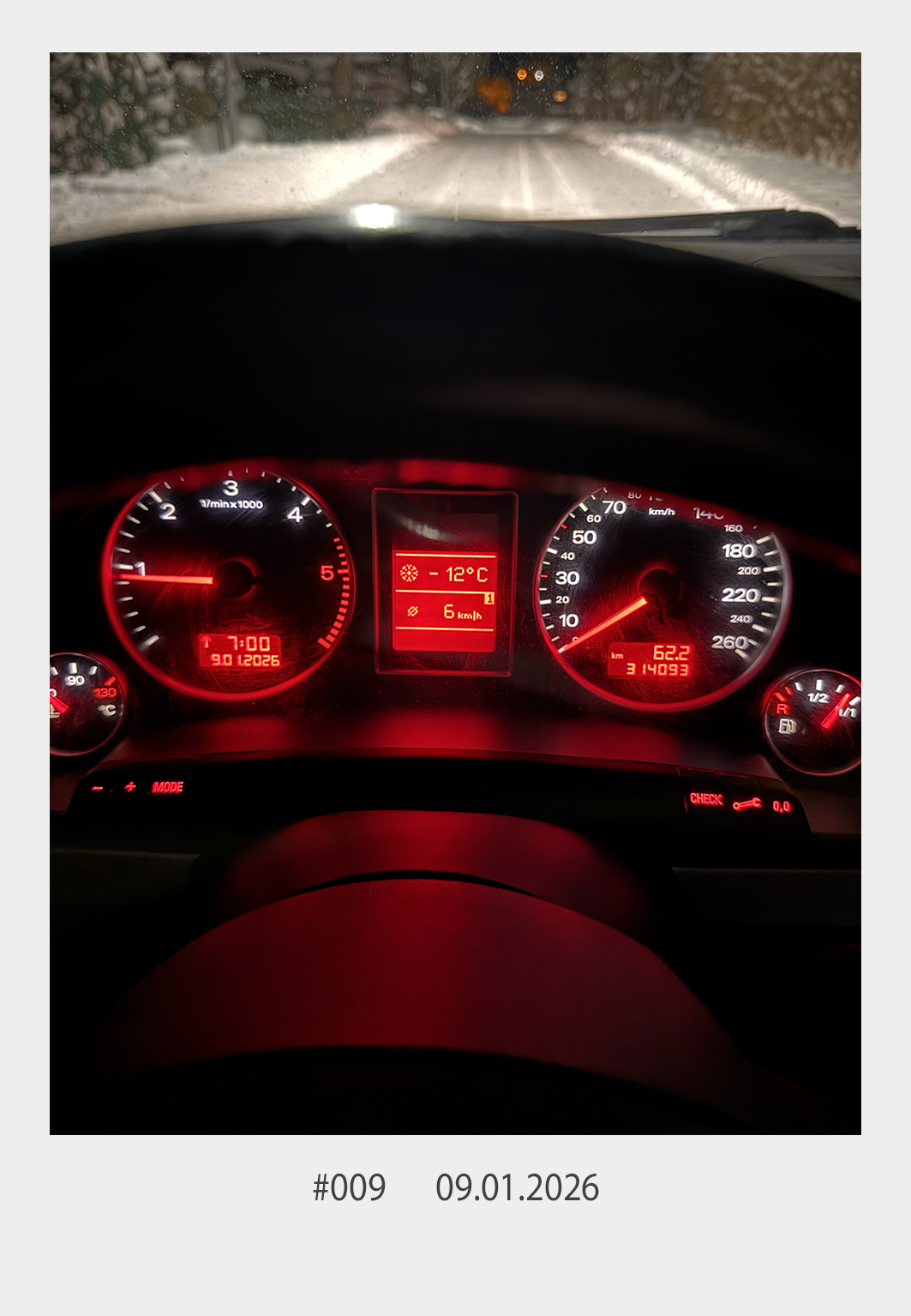
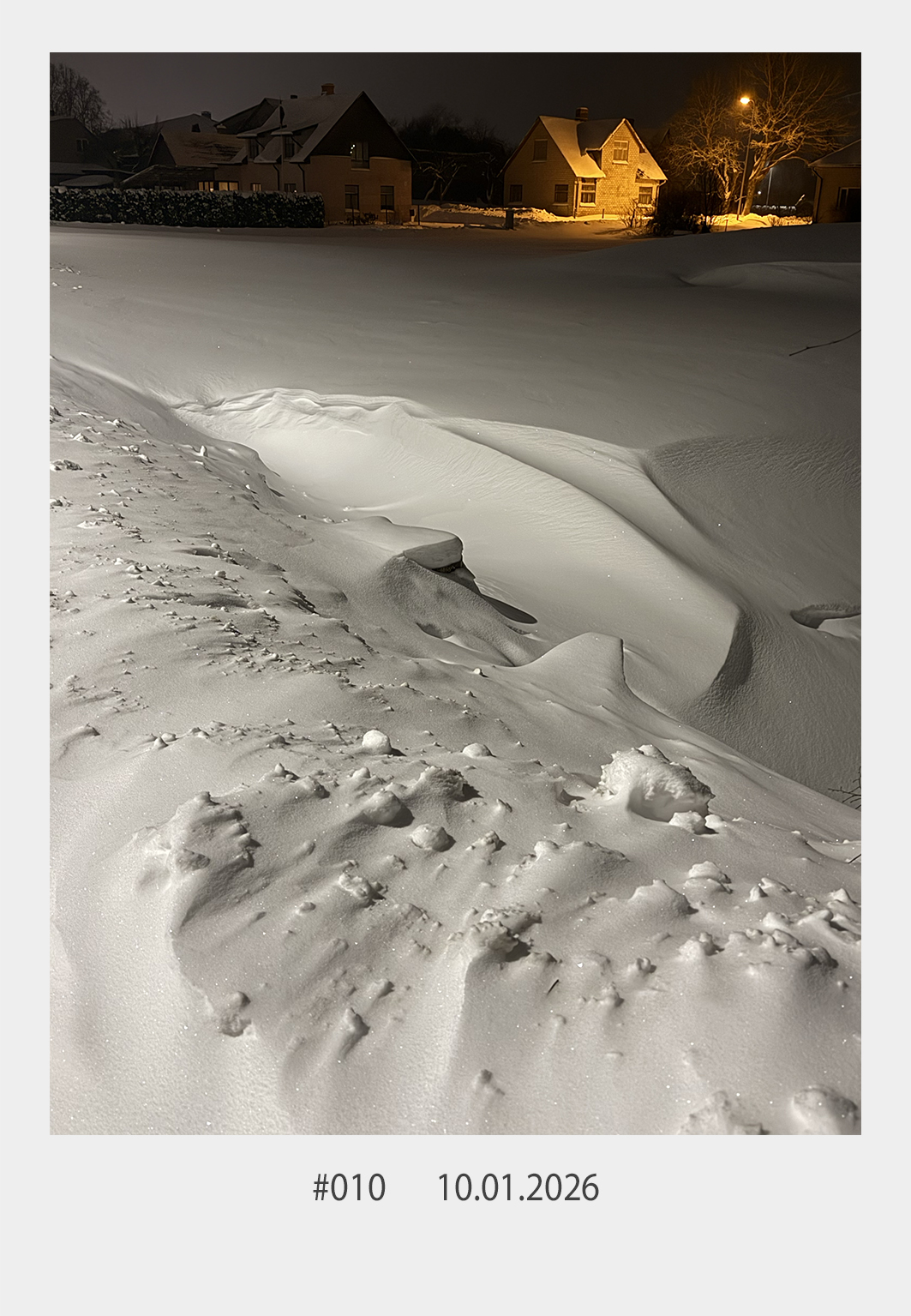
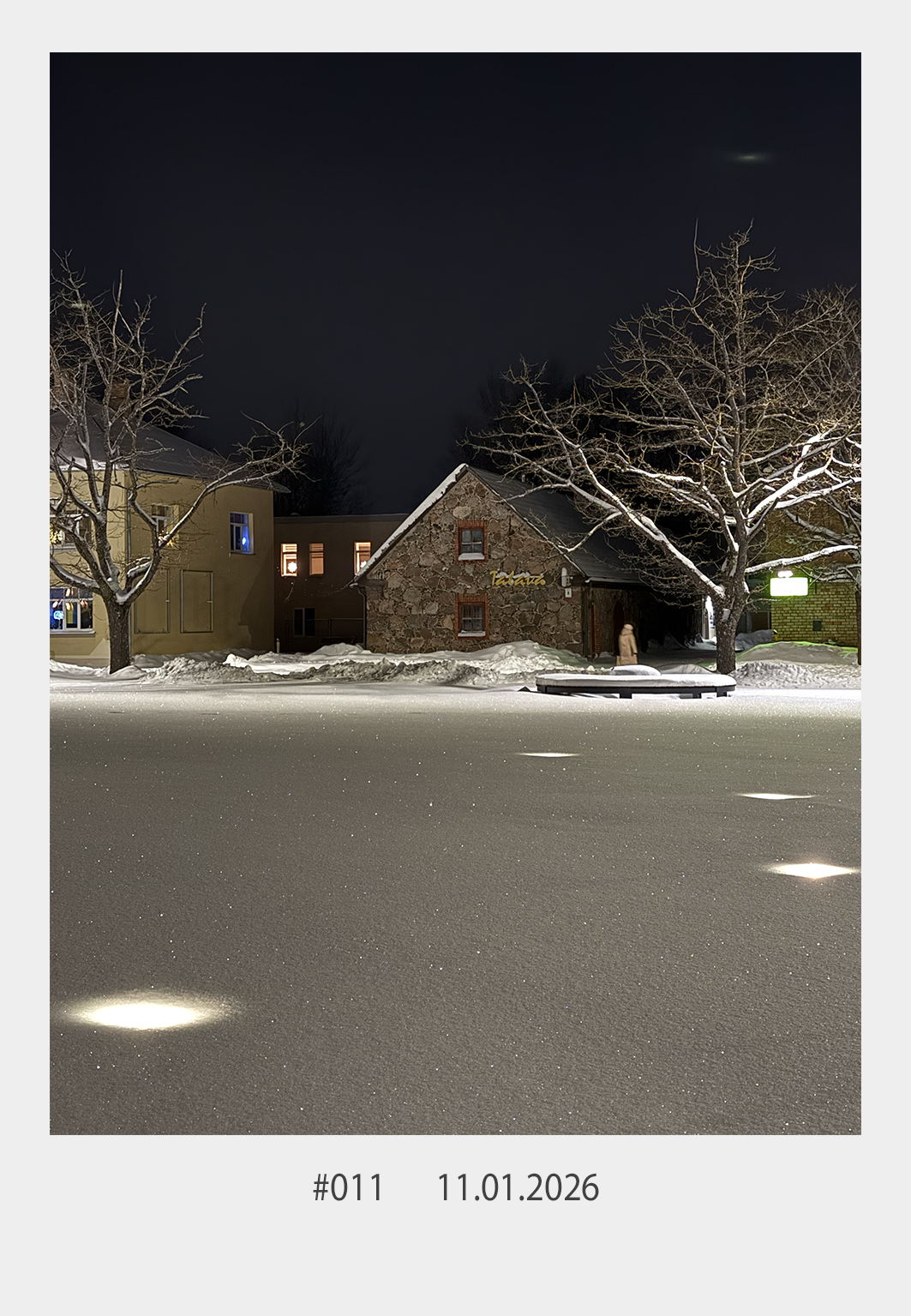
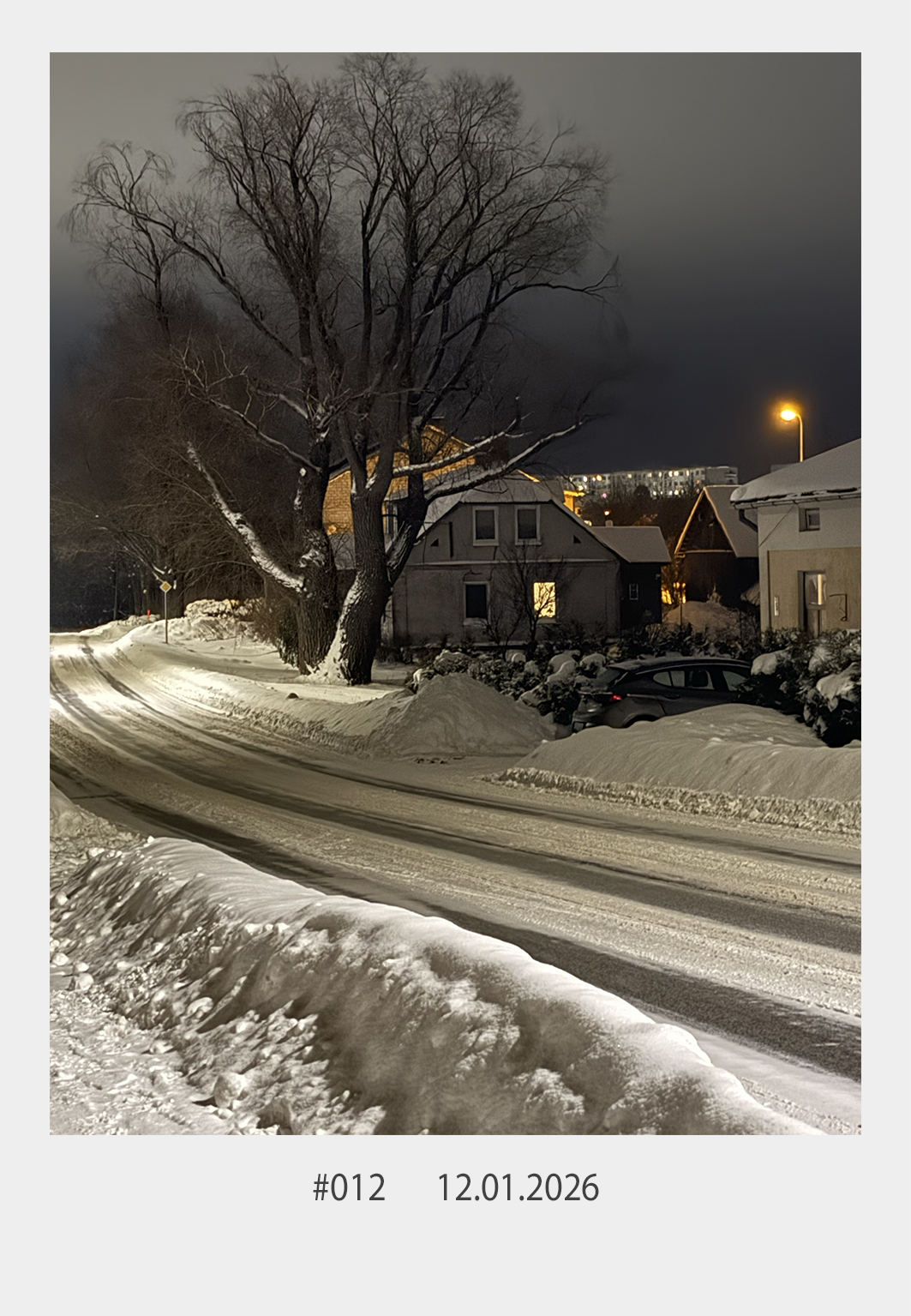
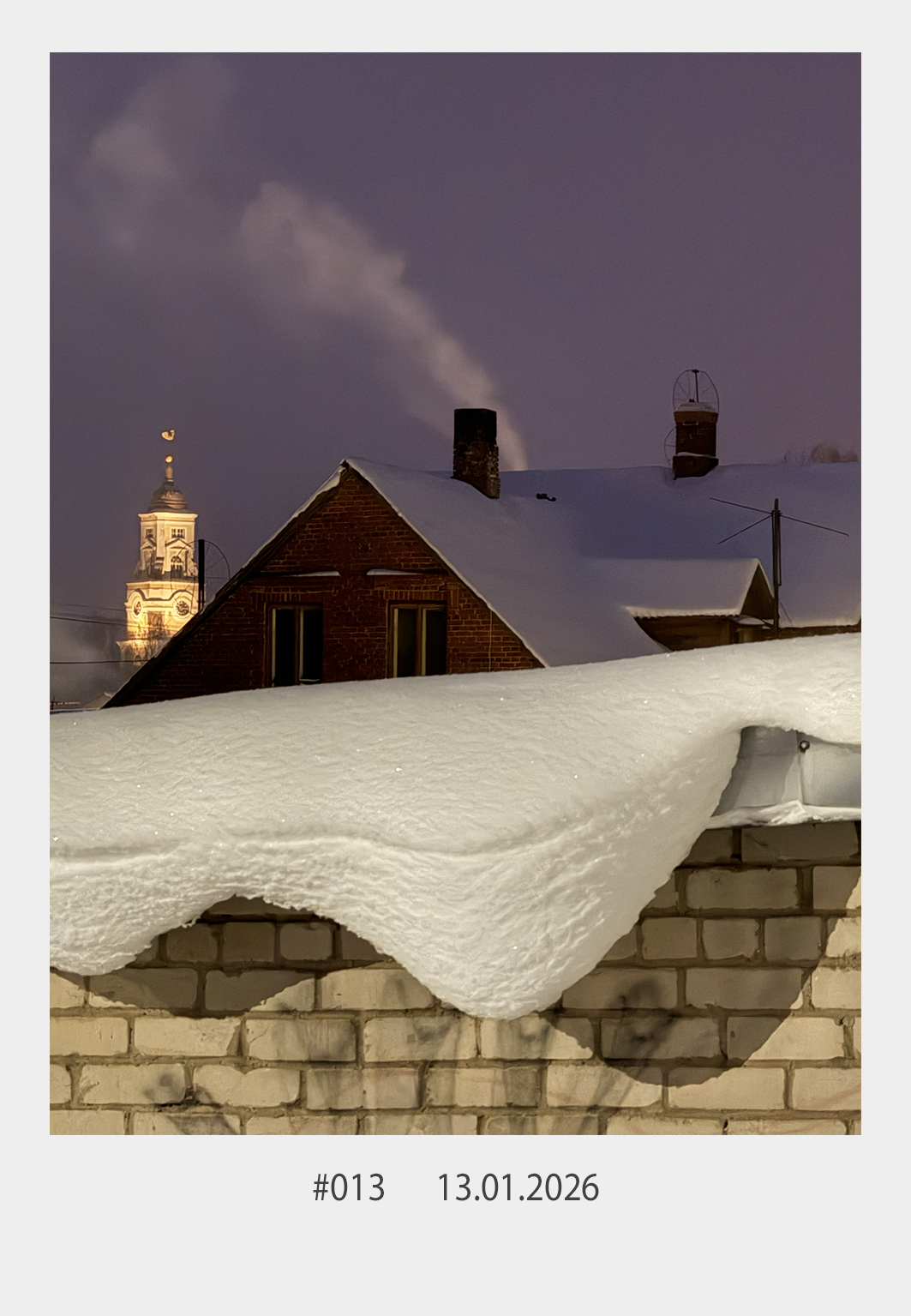
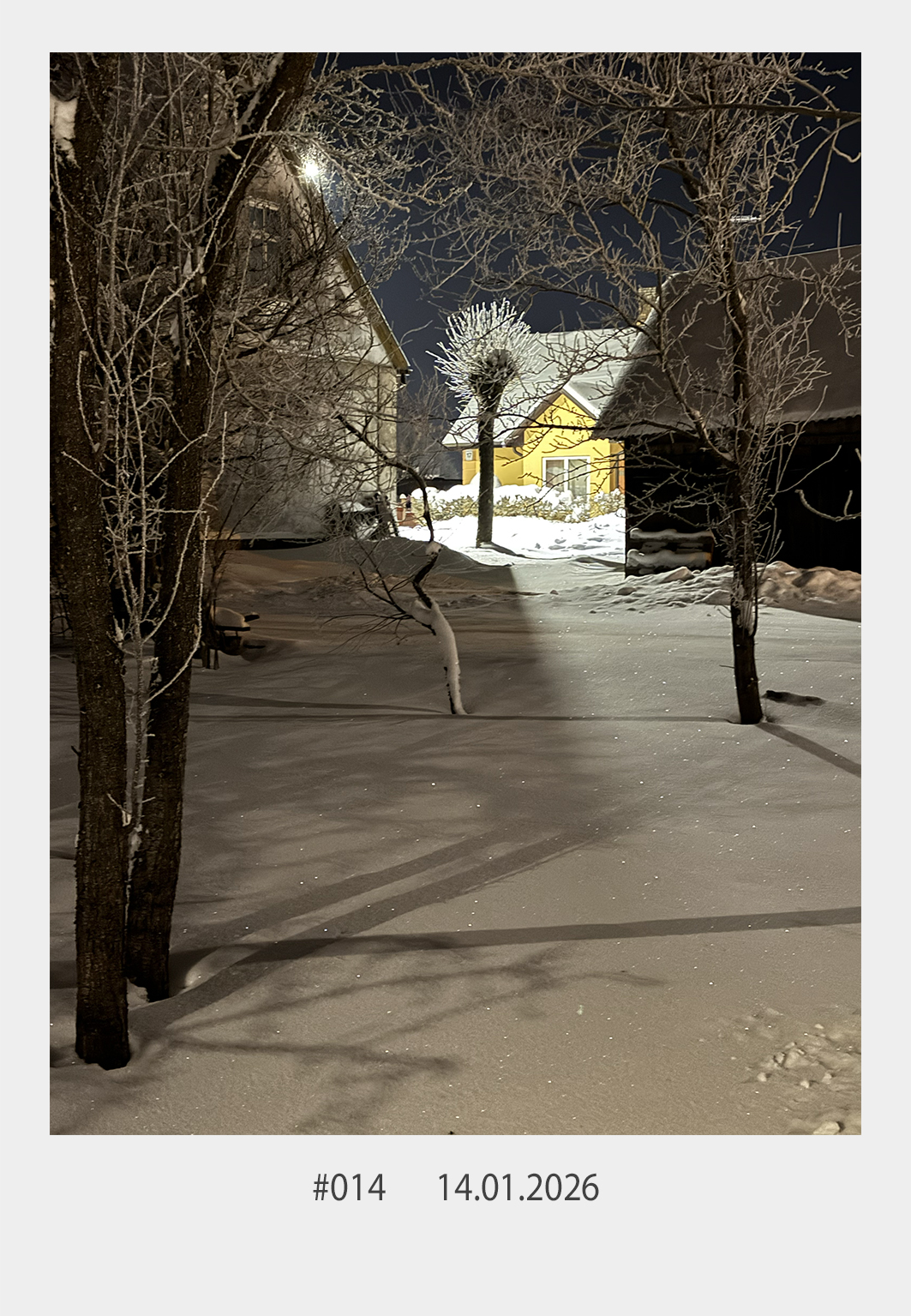
I live and work in Alūksne, a small town in northern Latvia, far from the intensity of large cities.
There is no constant events.
No urgency.
The environment is quiet, almost static.
Yet within this stillness, another rhythm emerges — slower, more fragile, often barely perceptible.
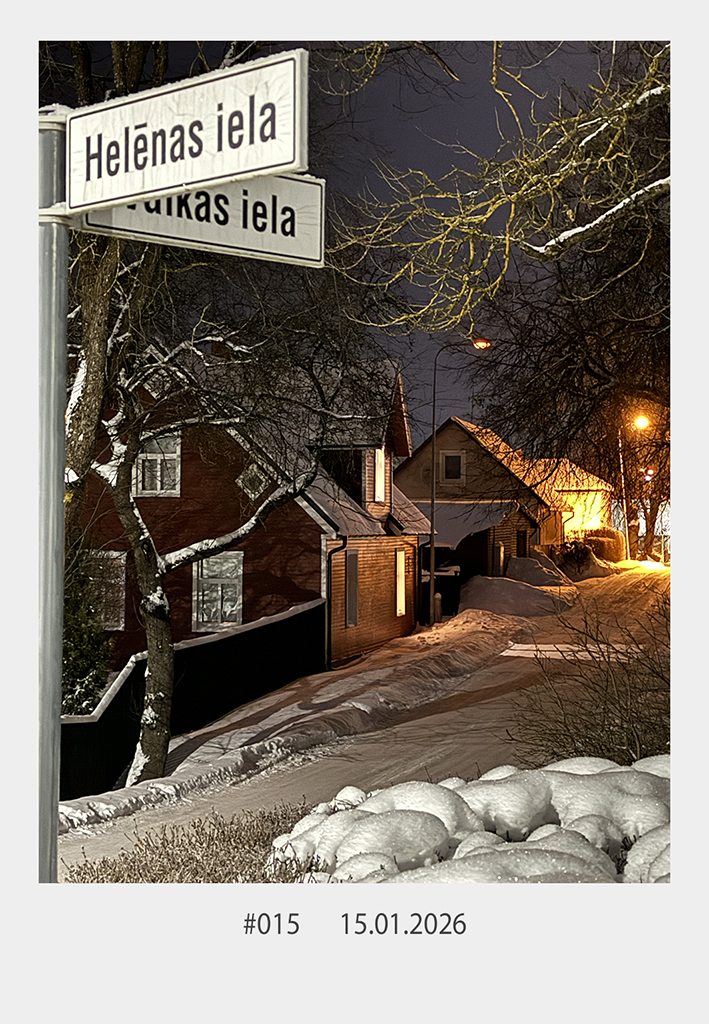
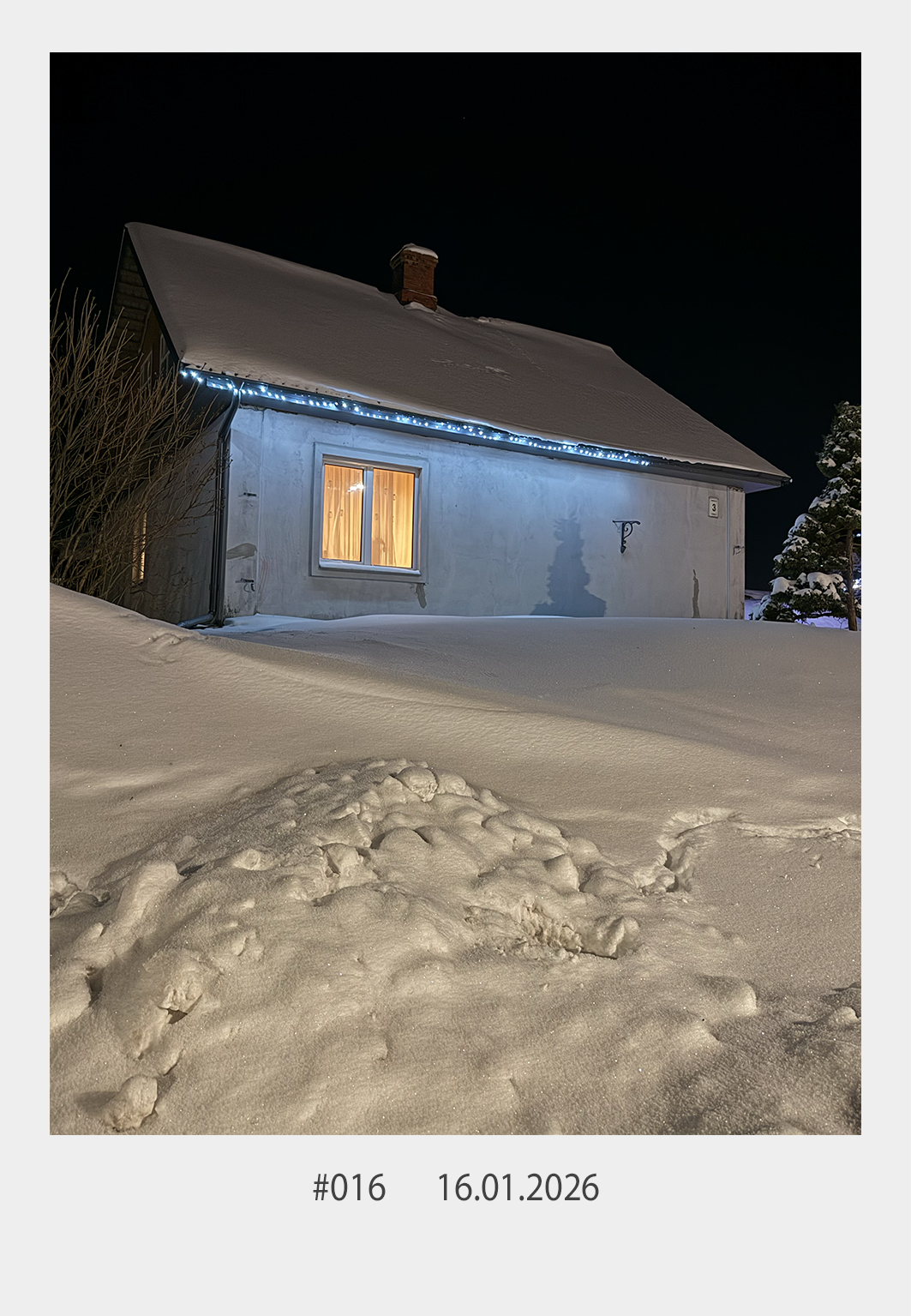
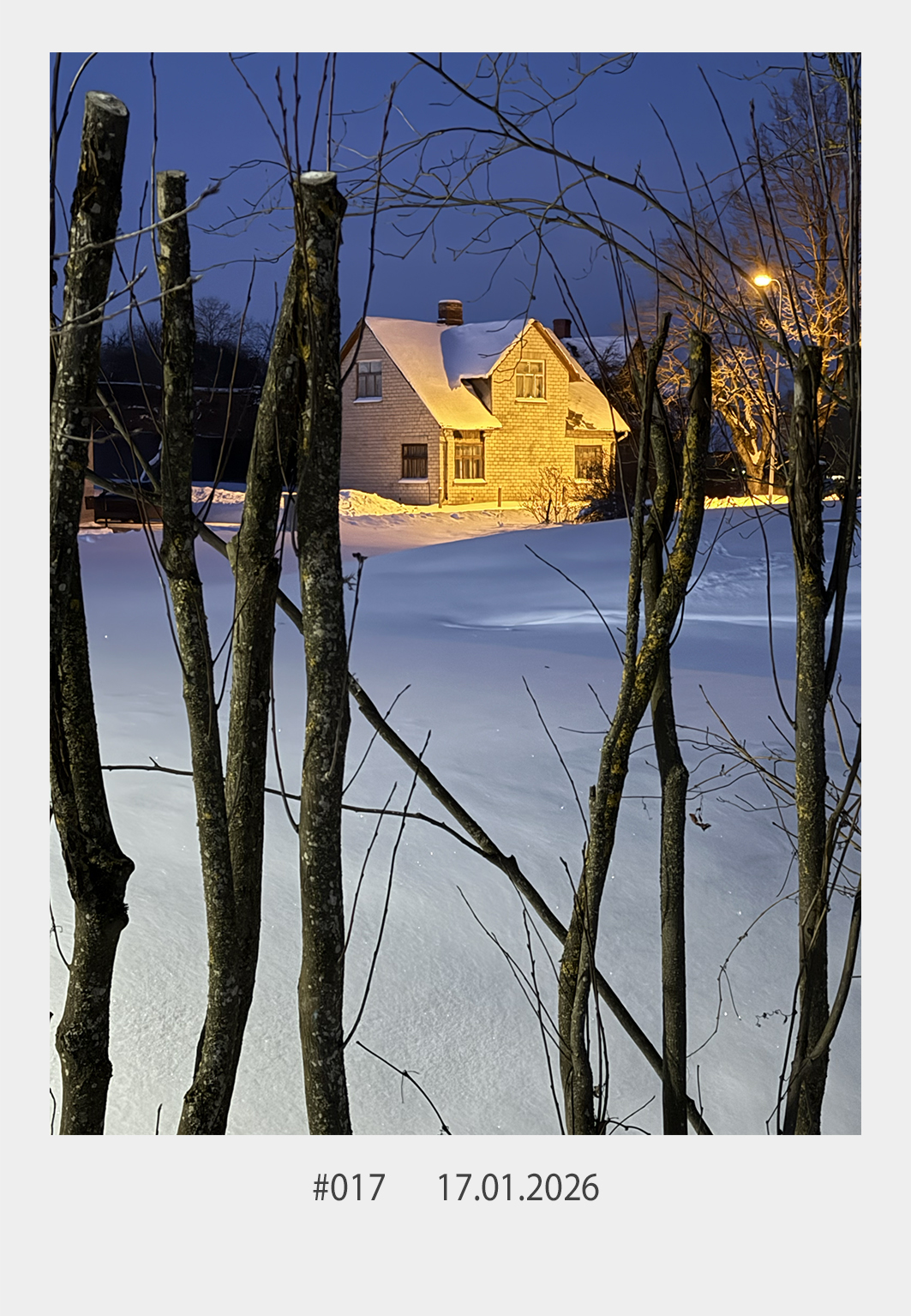
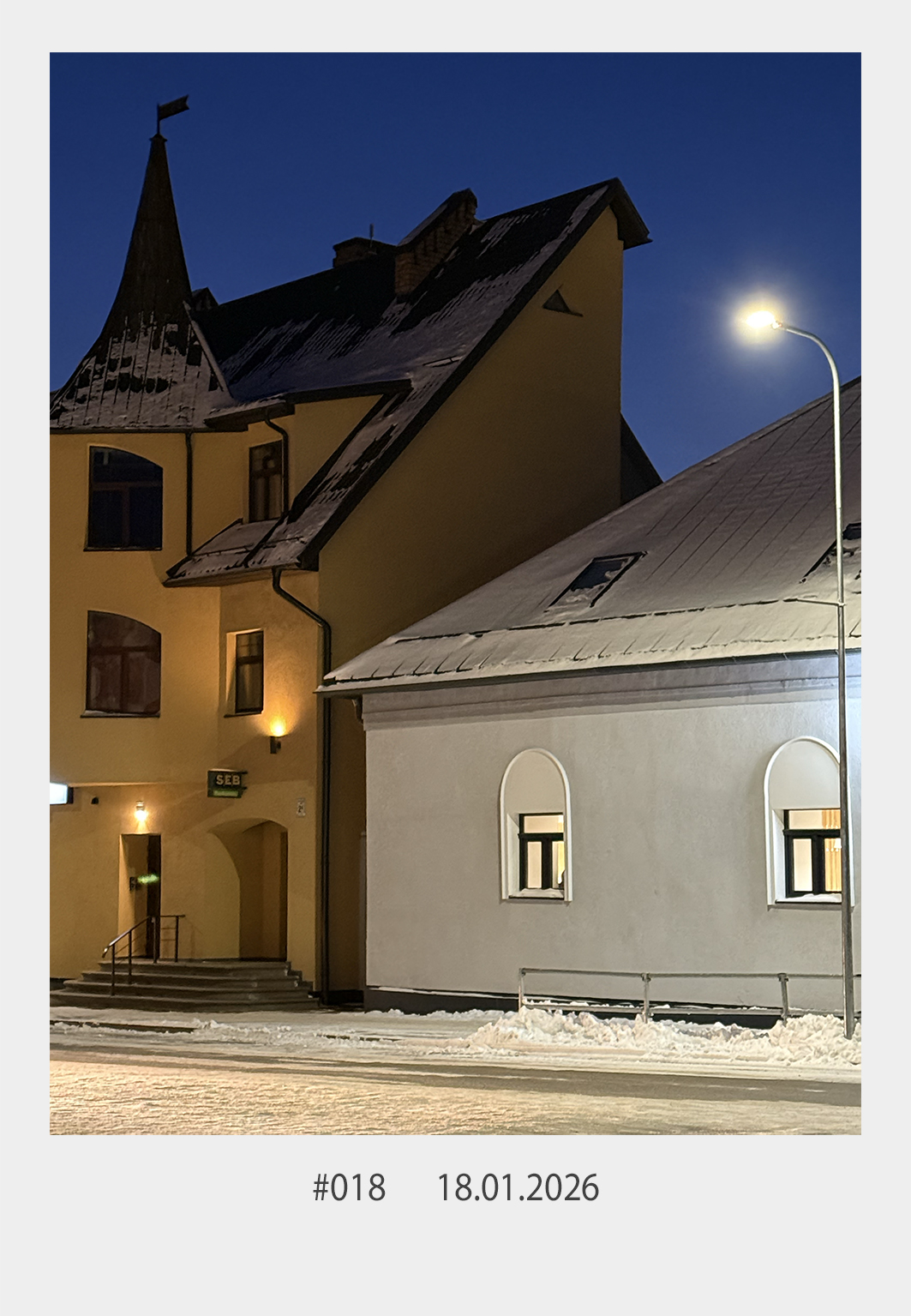
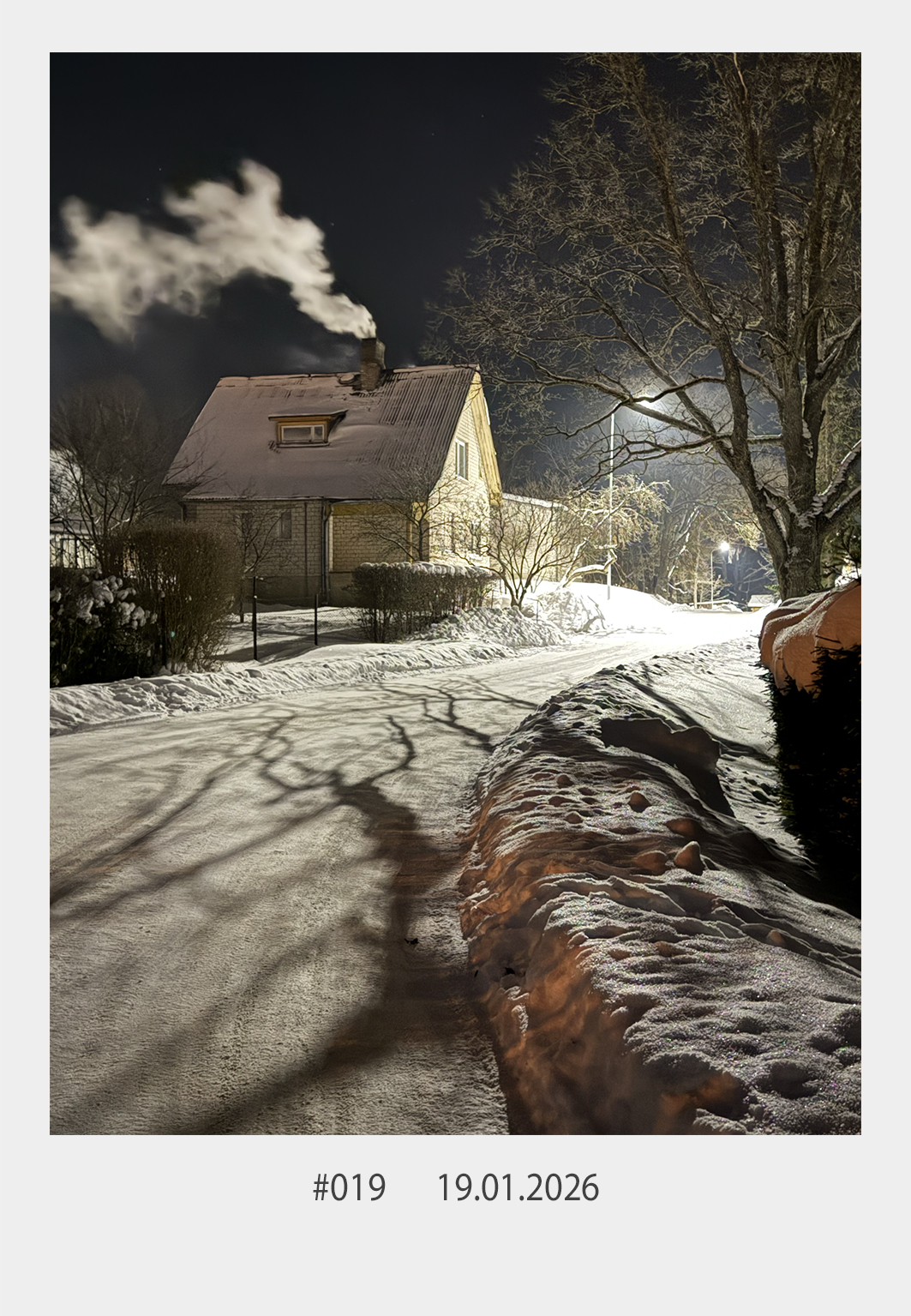
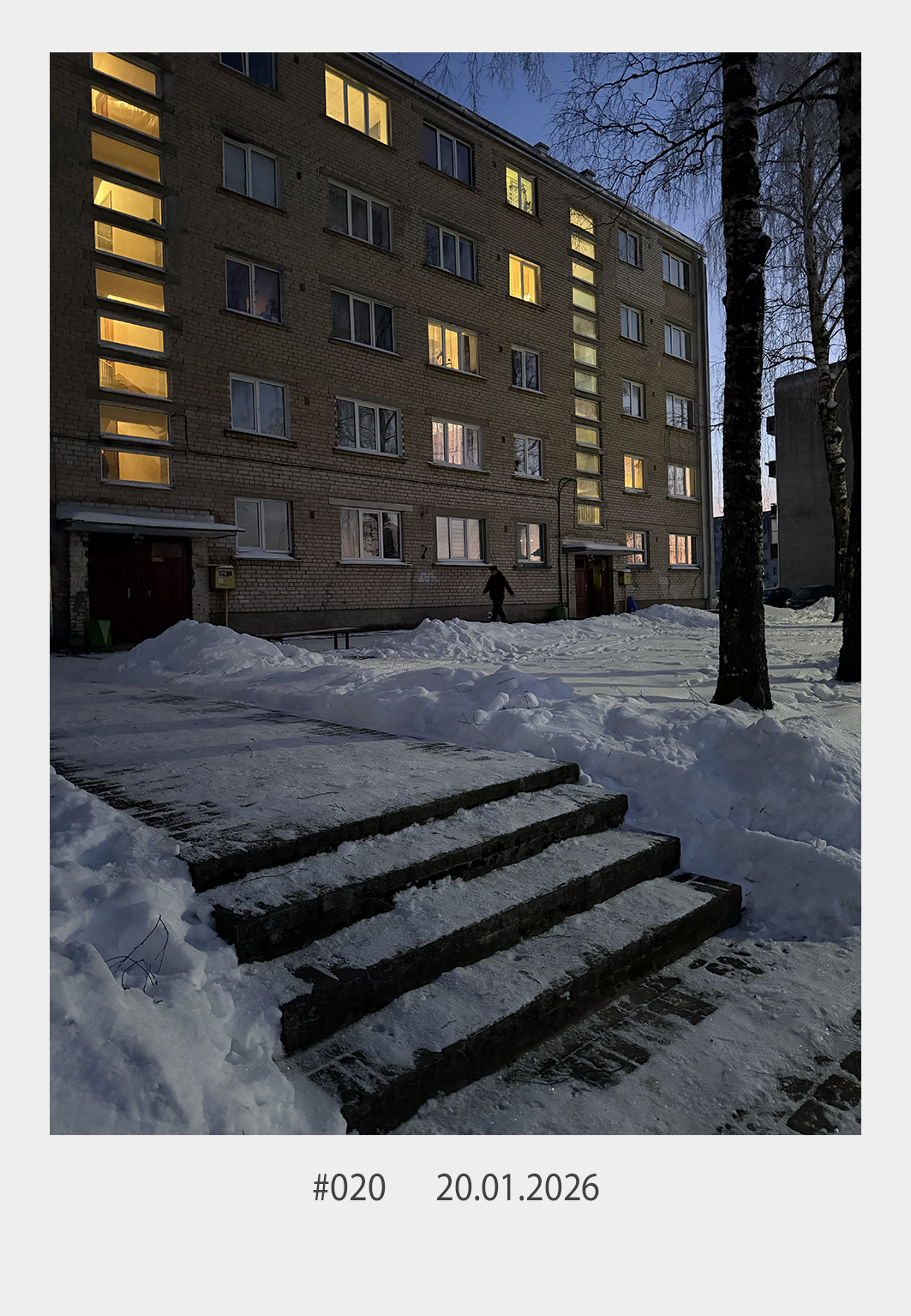
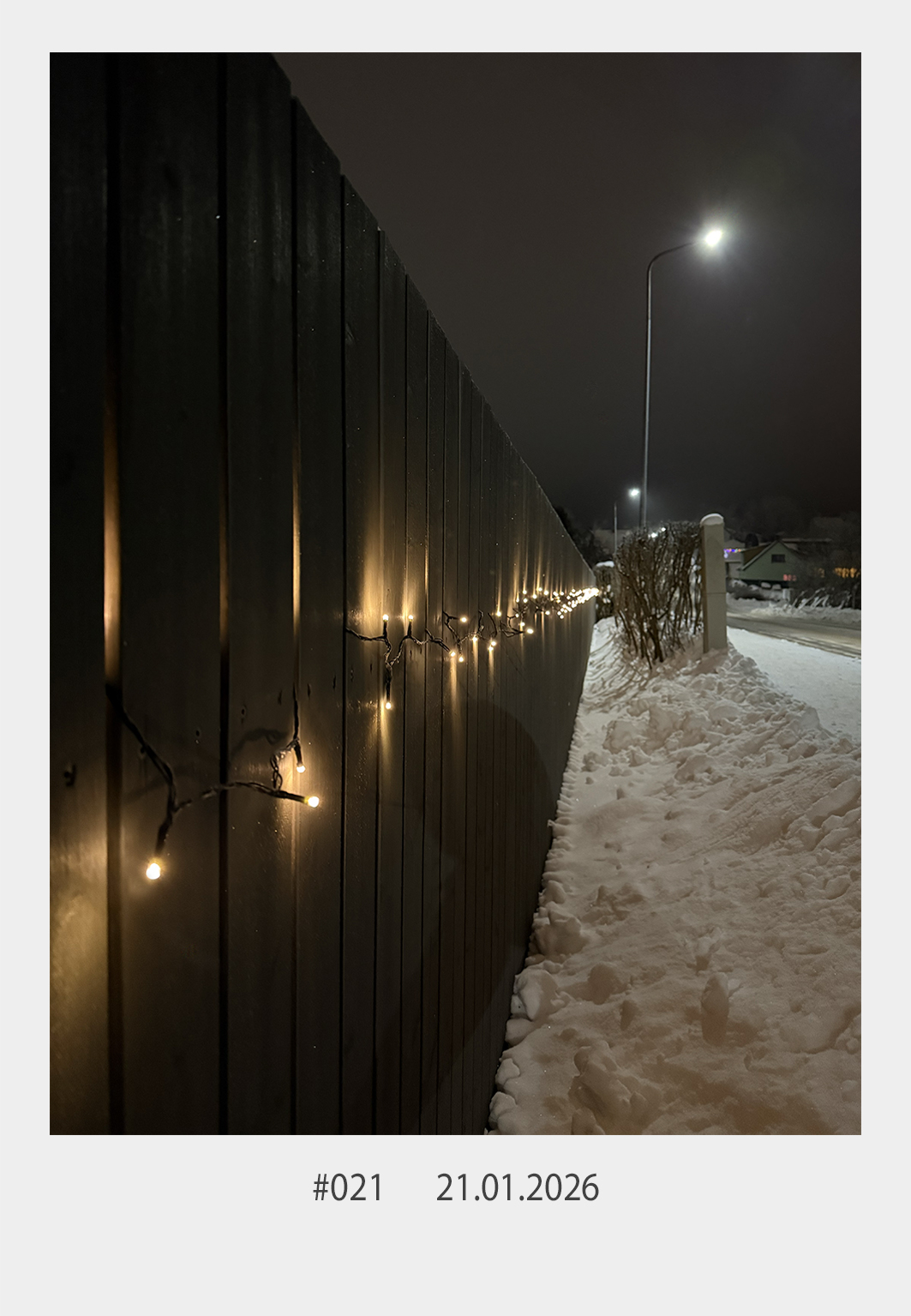
I focus on spaces that rarely demand attention:
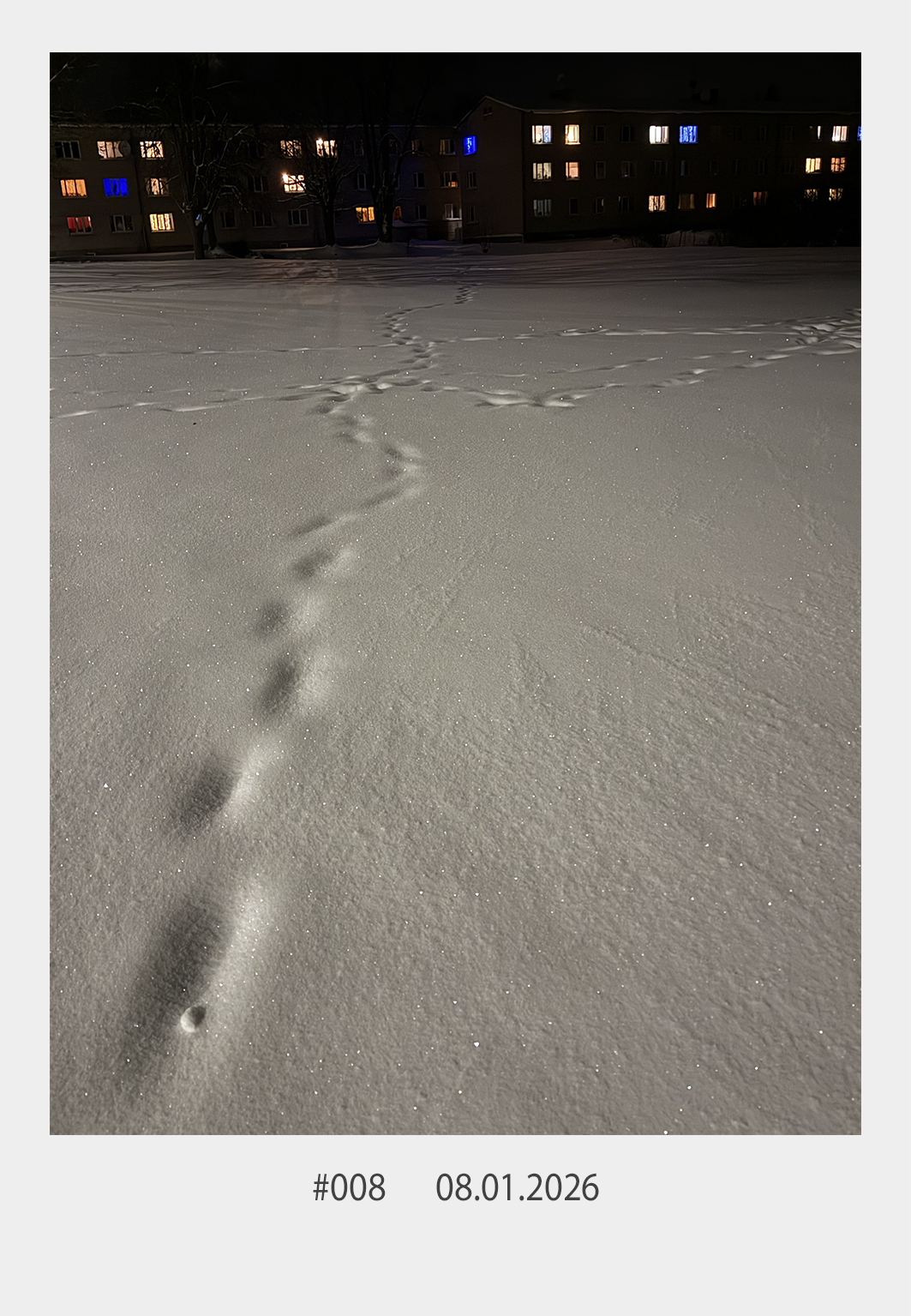
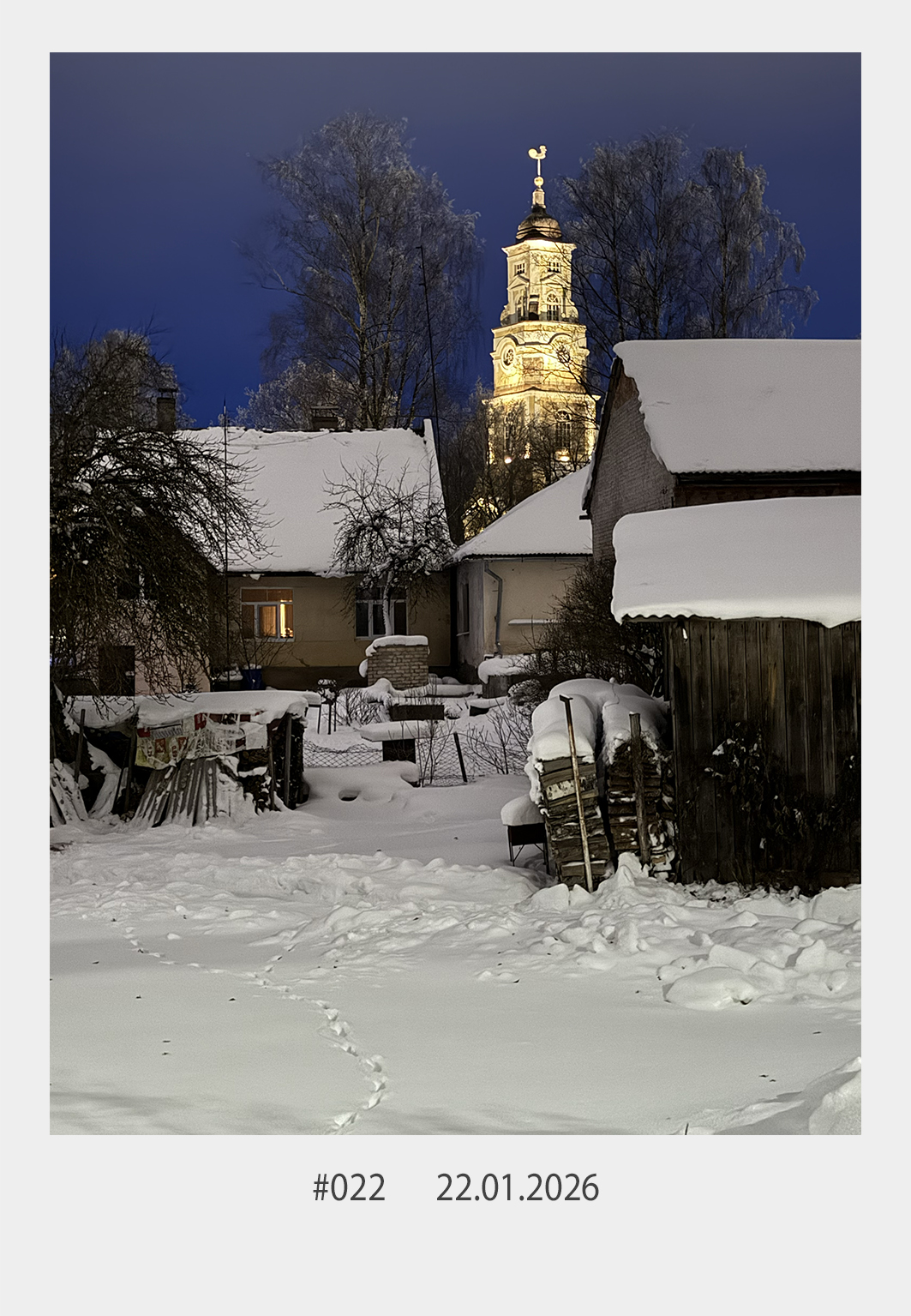
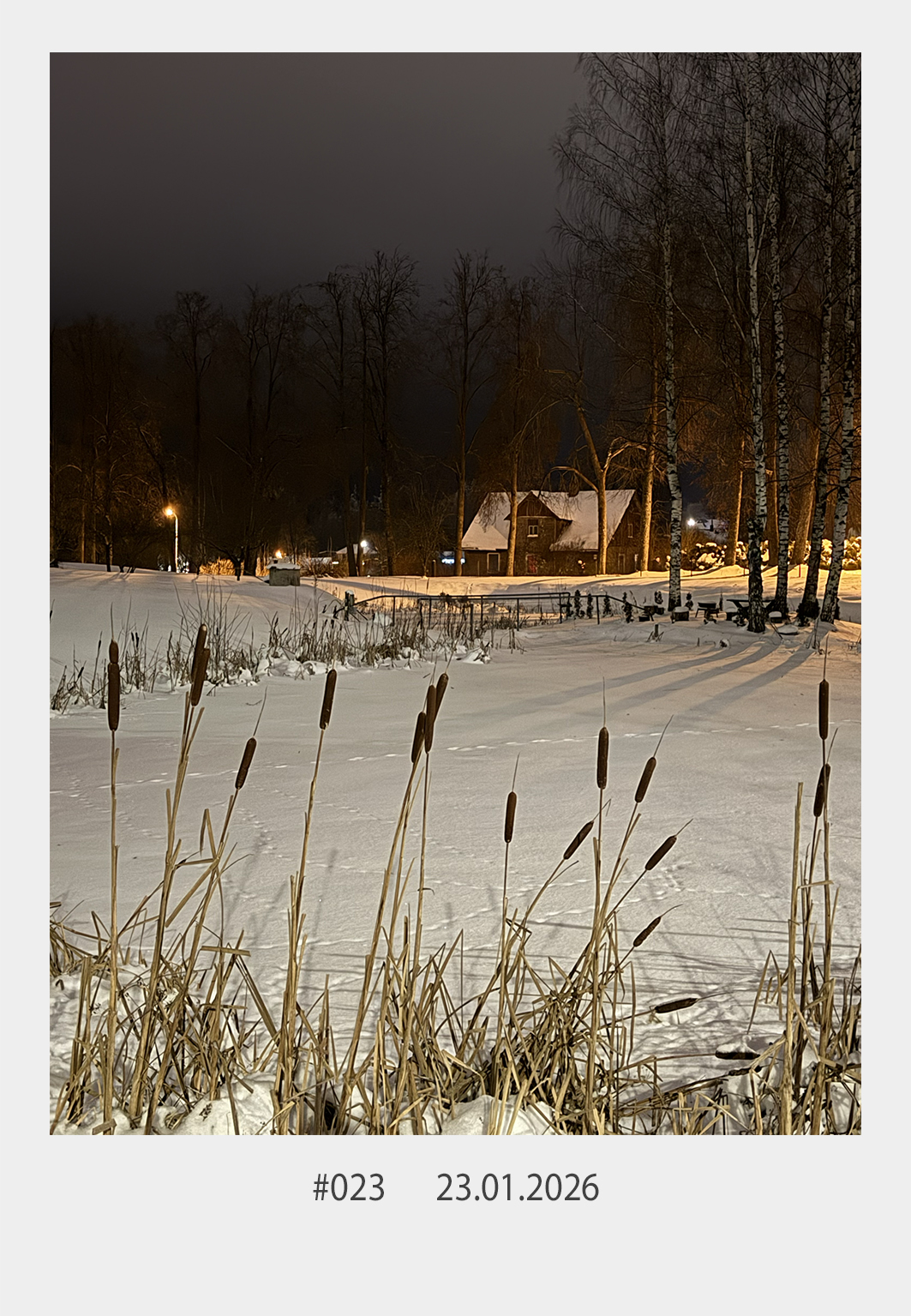
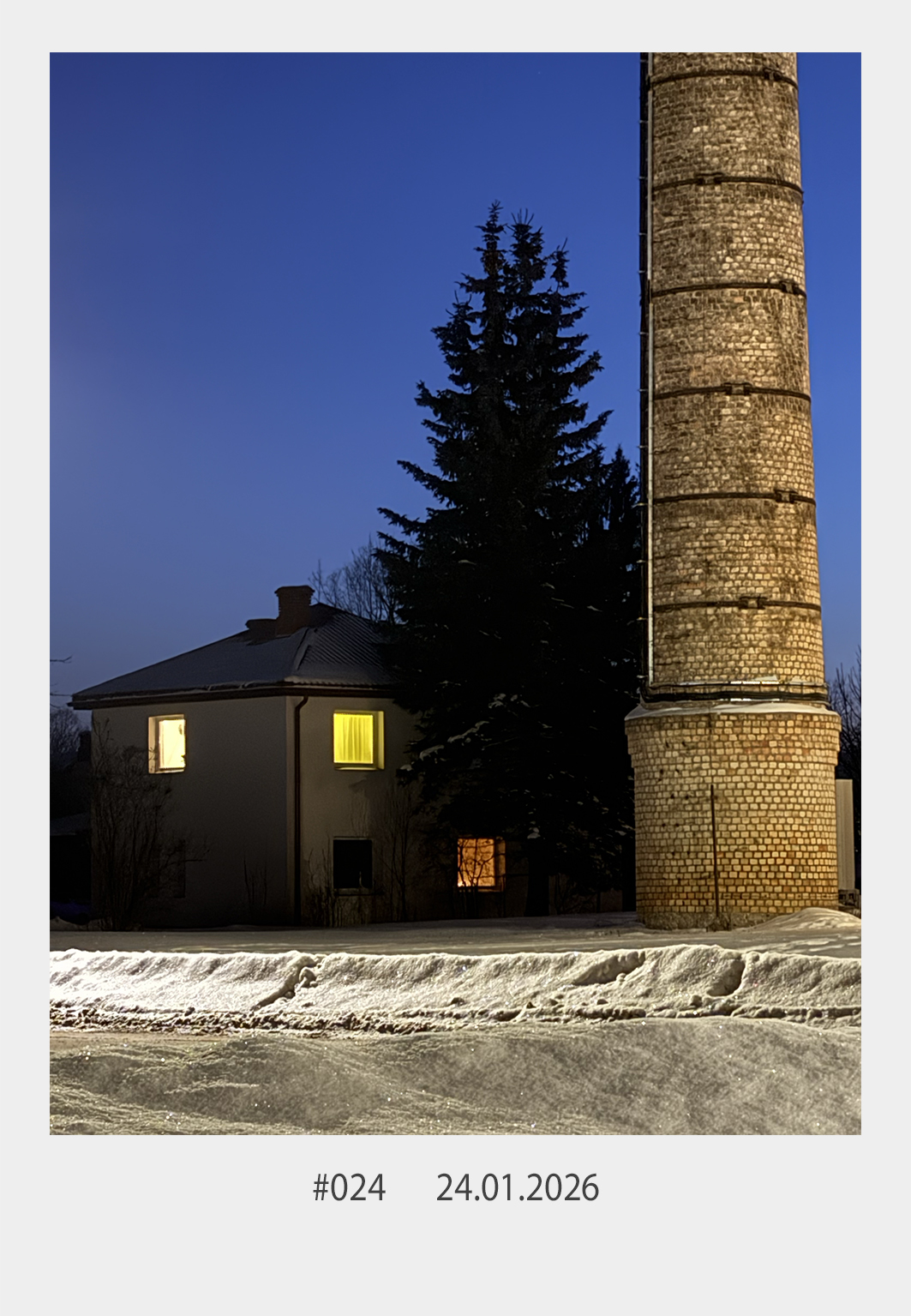
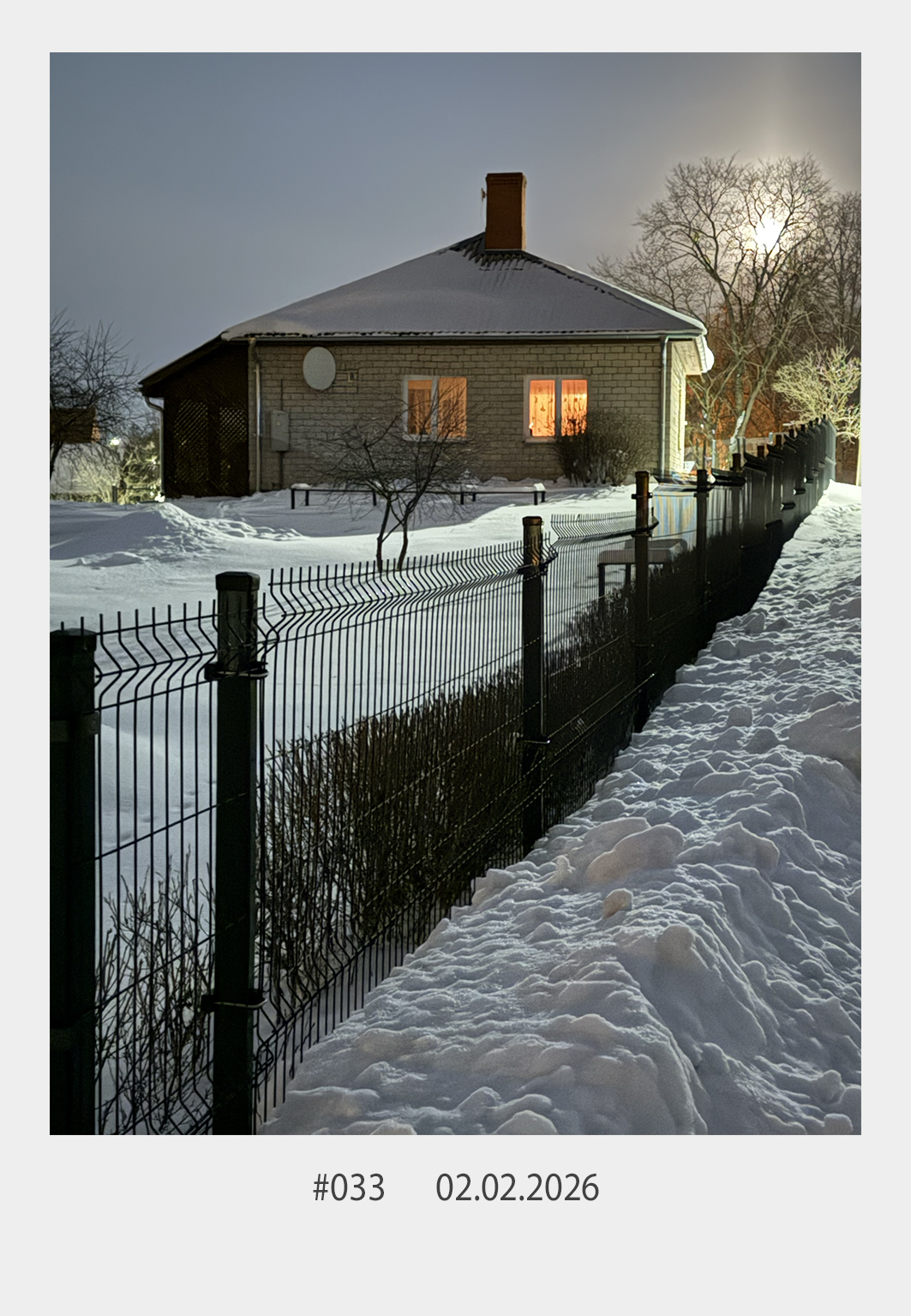
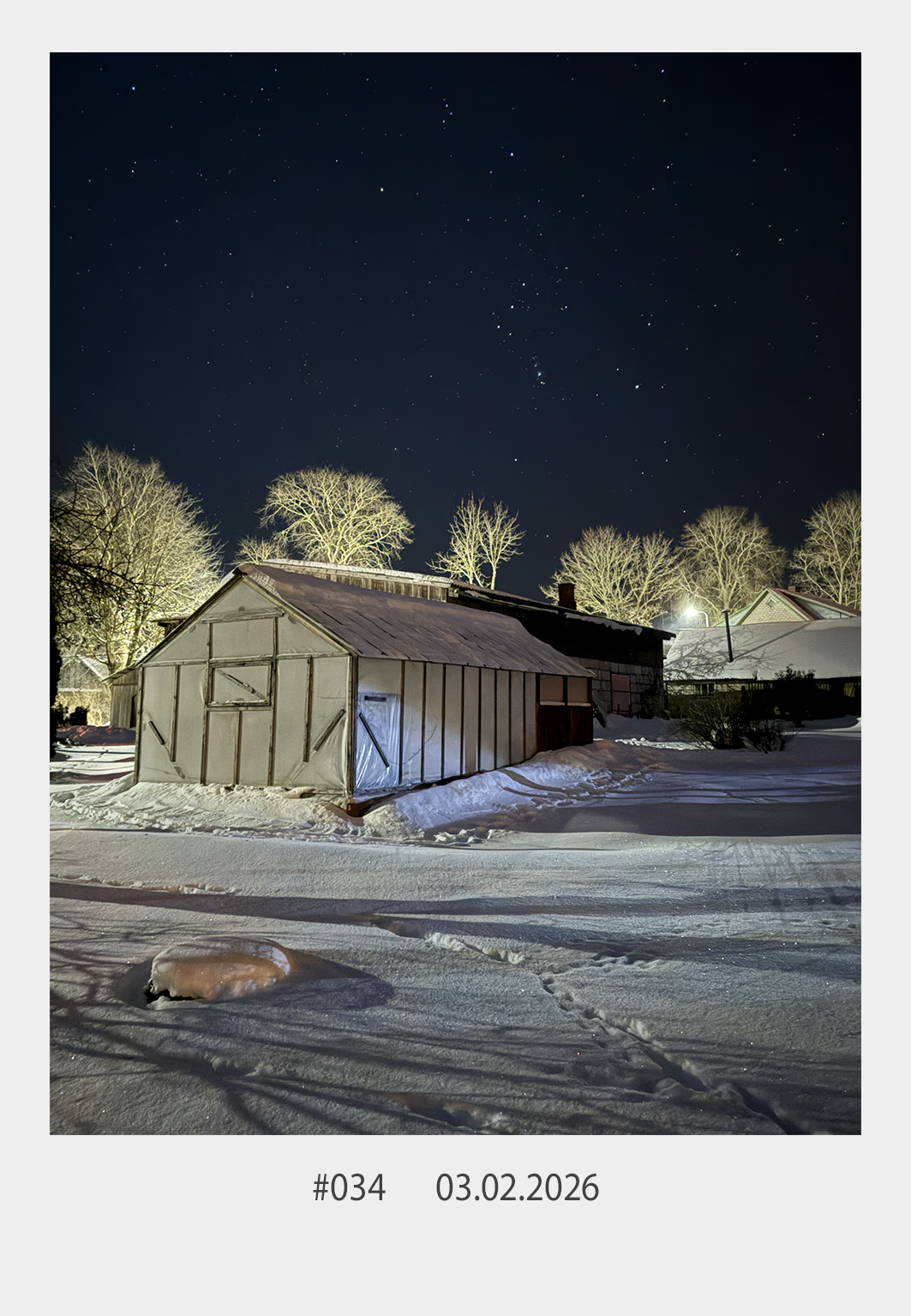
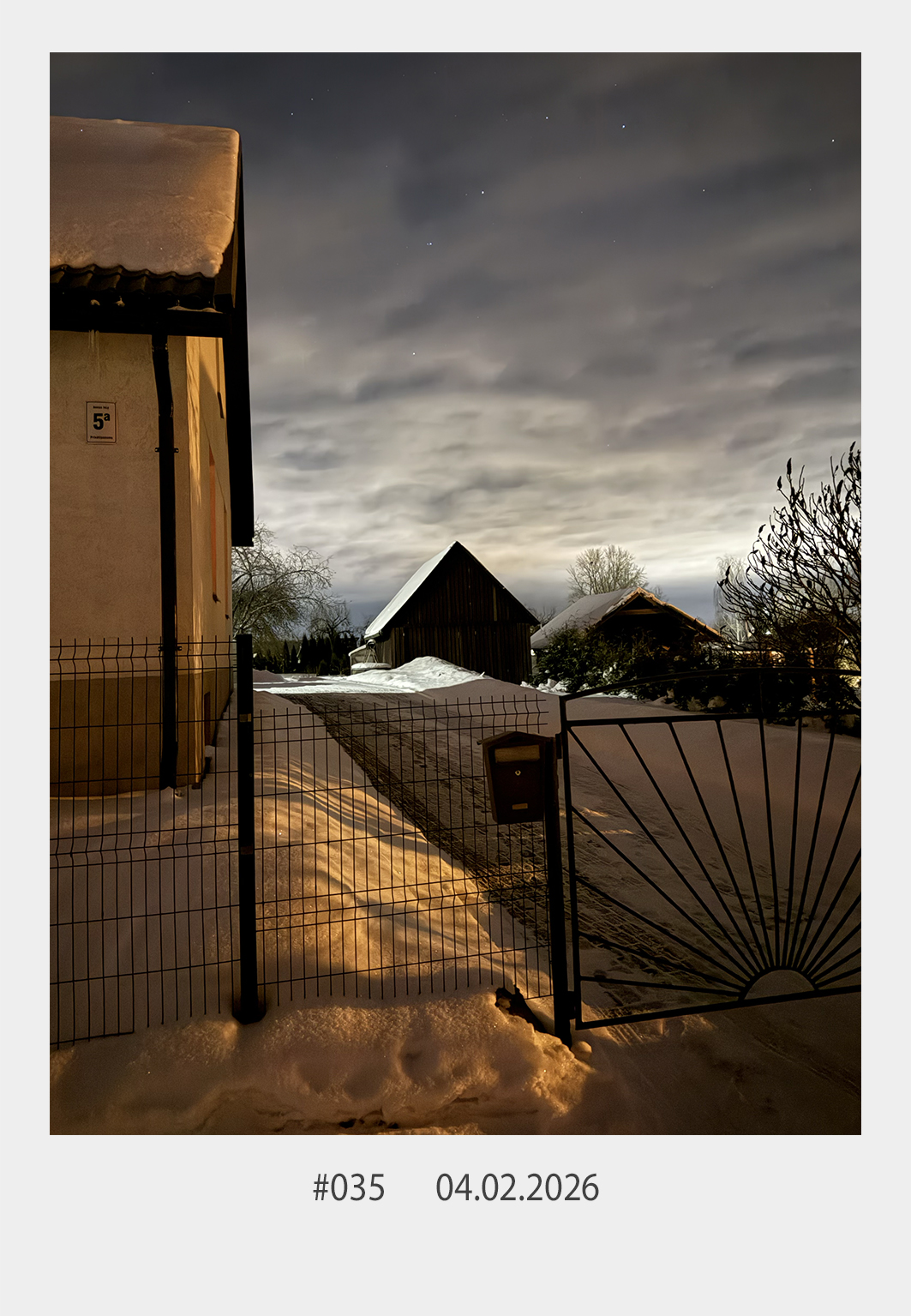
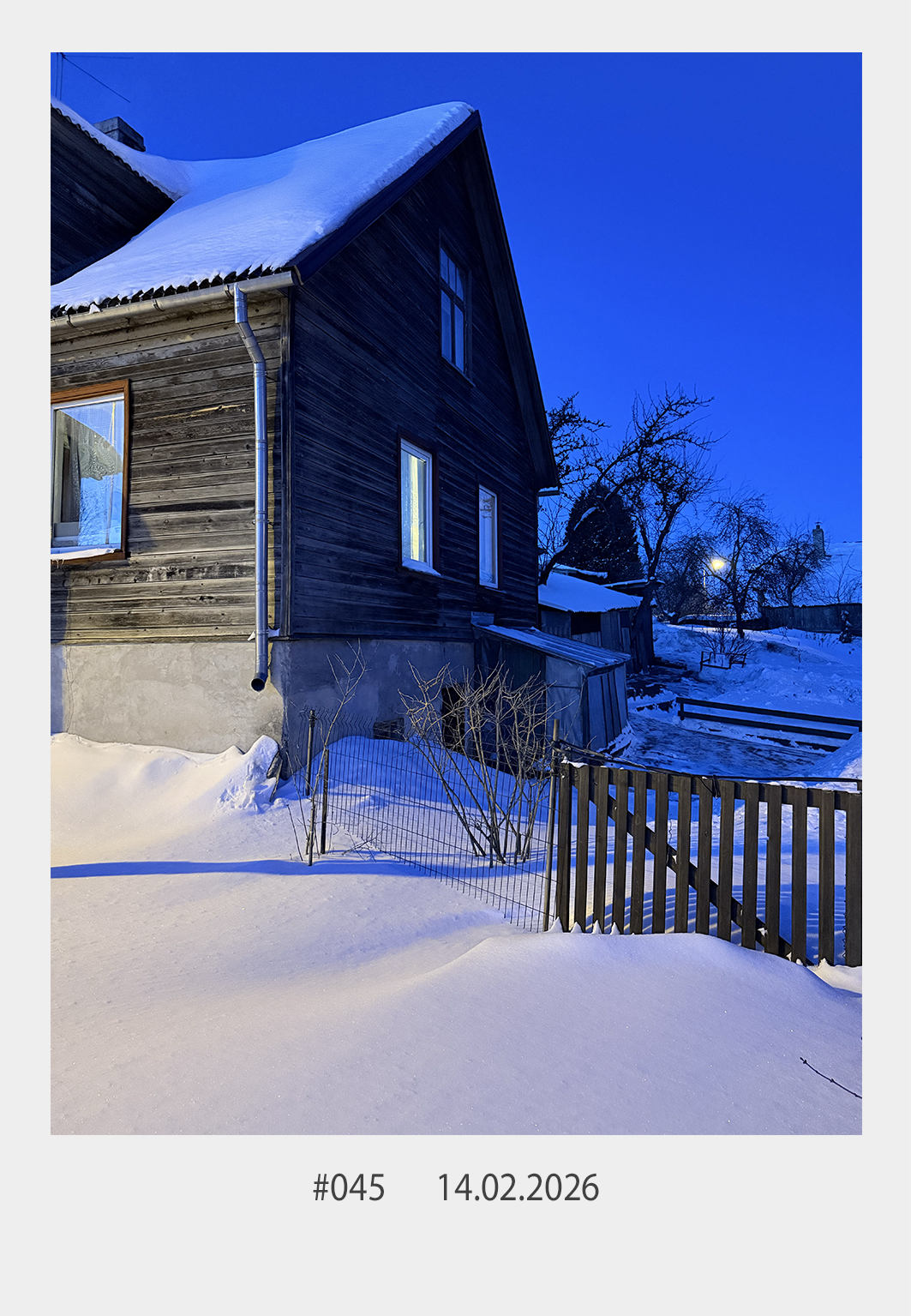
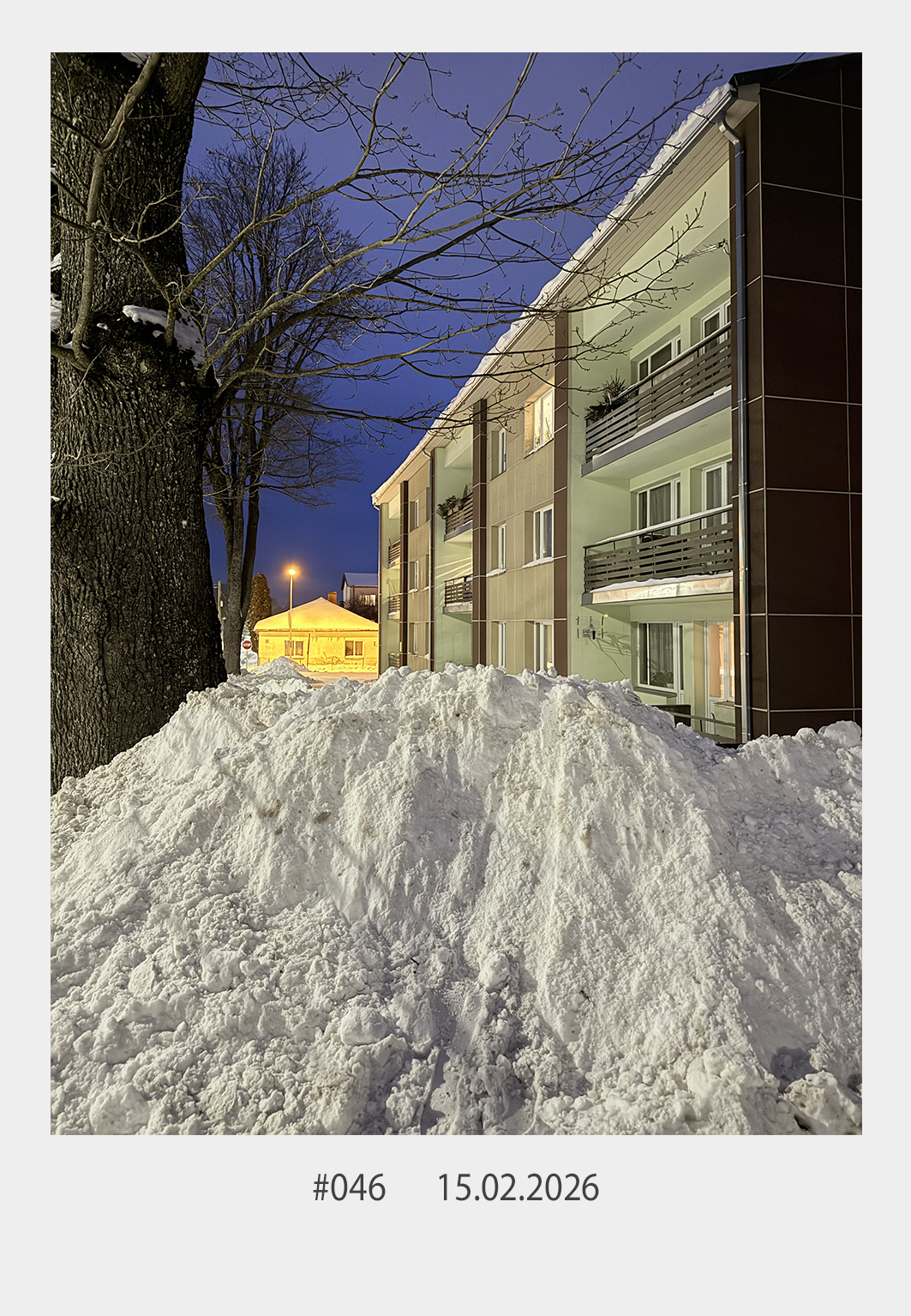
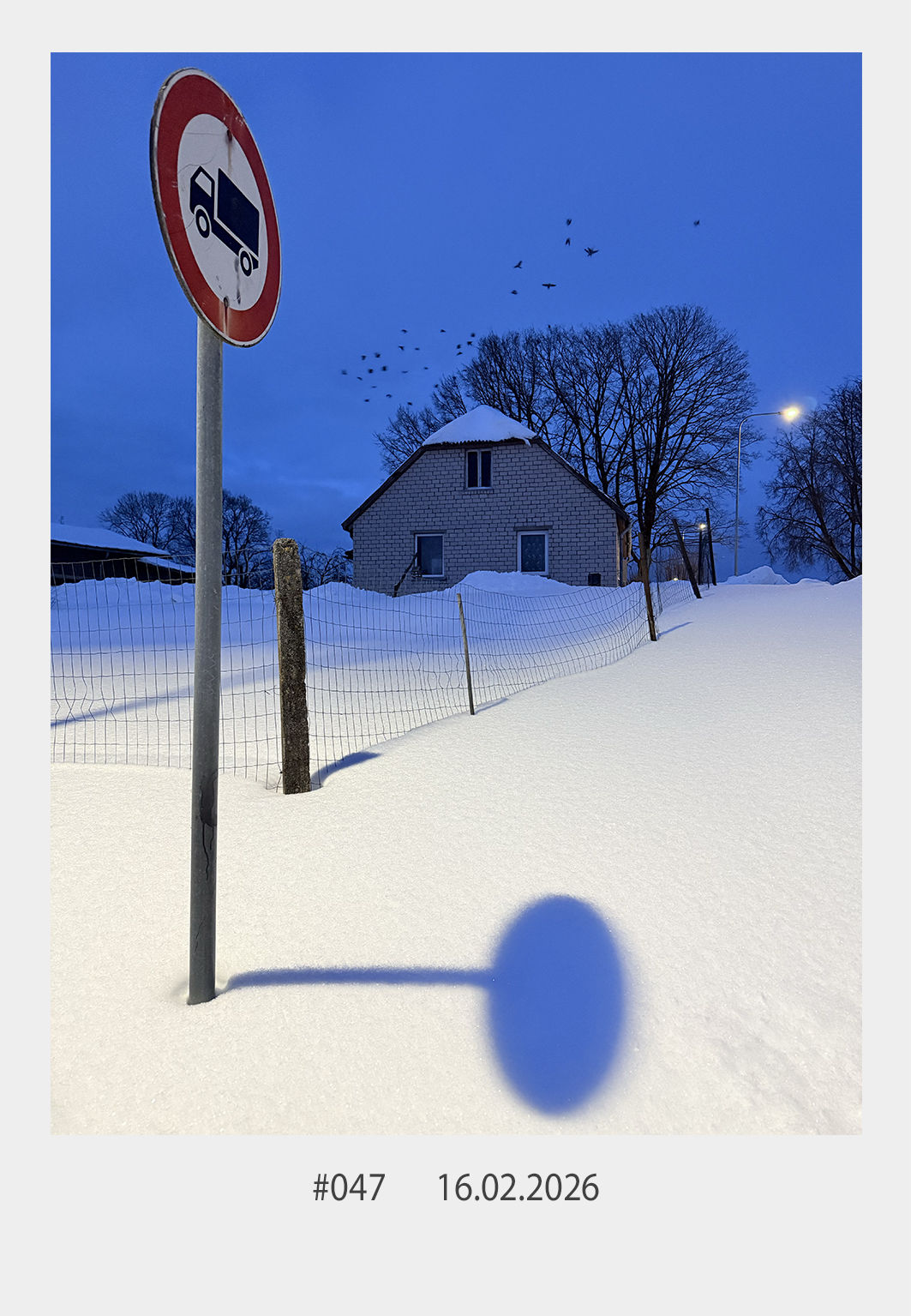
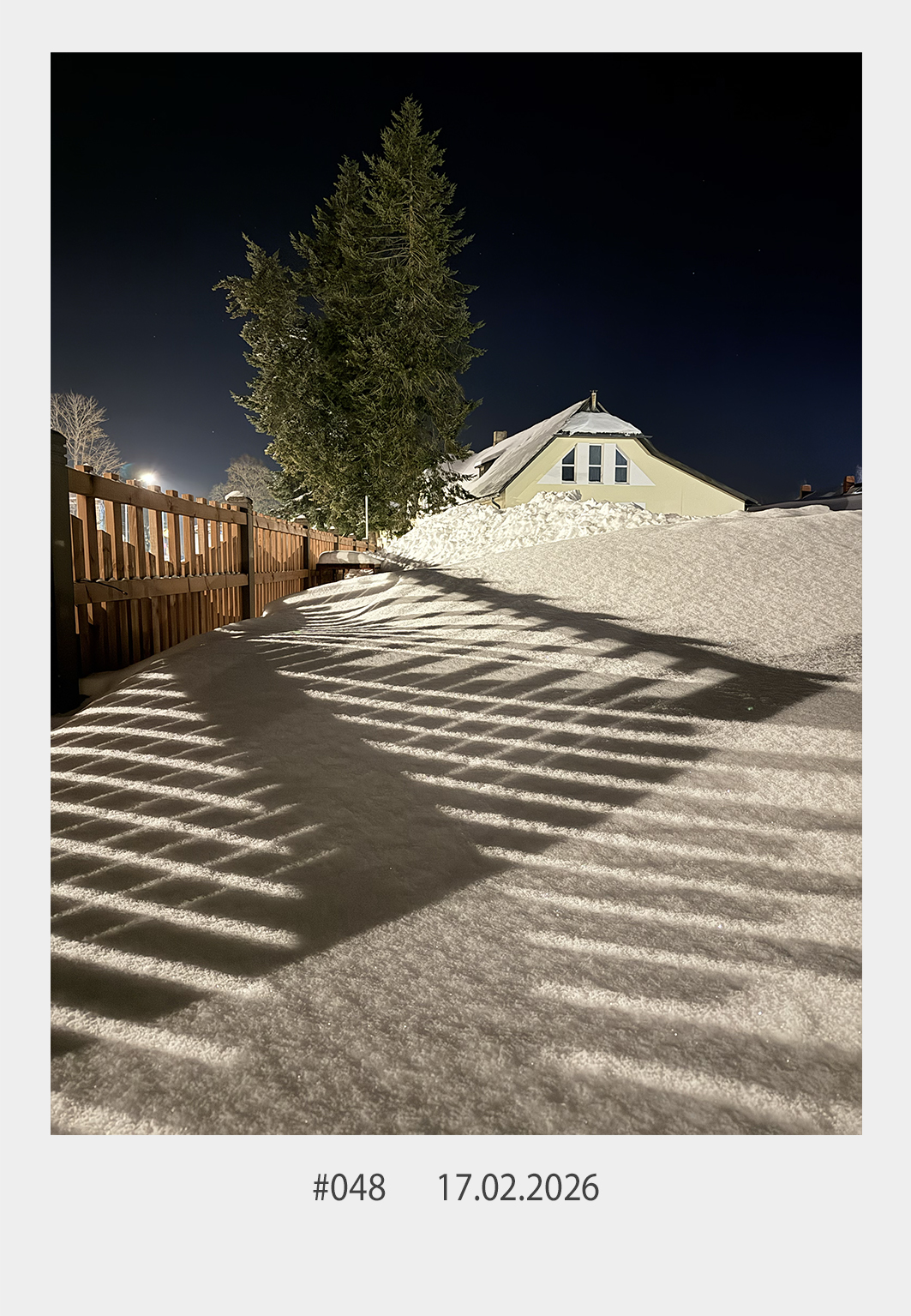
empty streets, snow-covered paths, distant houses, lit windows, traces left by passing bodies.
These moments are unstable —
a footprint that may disappear,
a window that may not light again,
snow that will melt.
Human presence appears mostly through absence, reflection, and light.
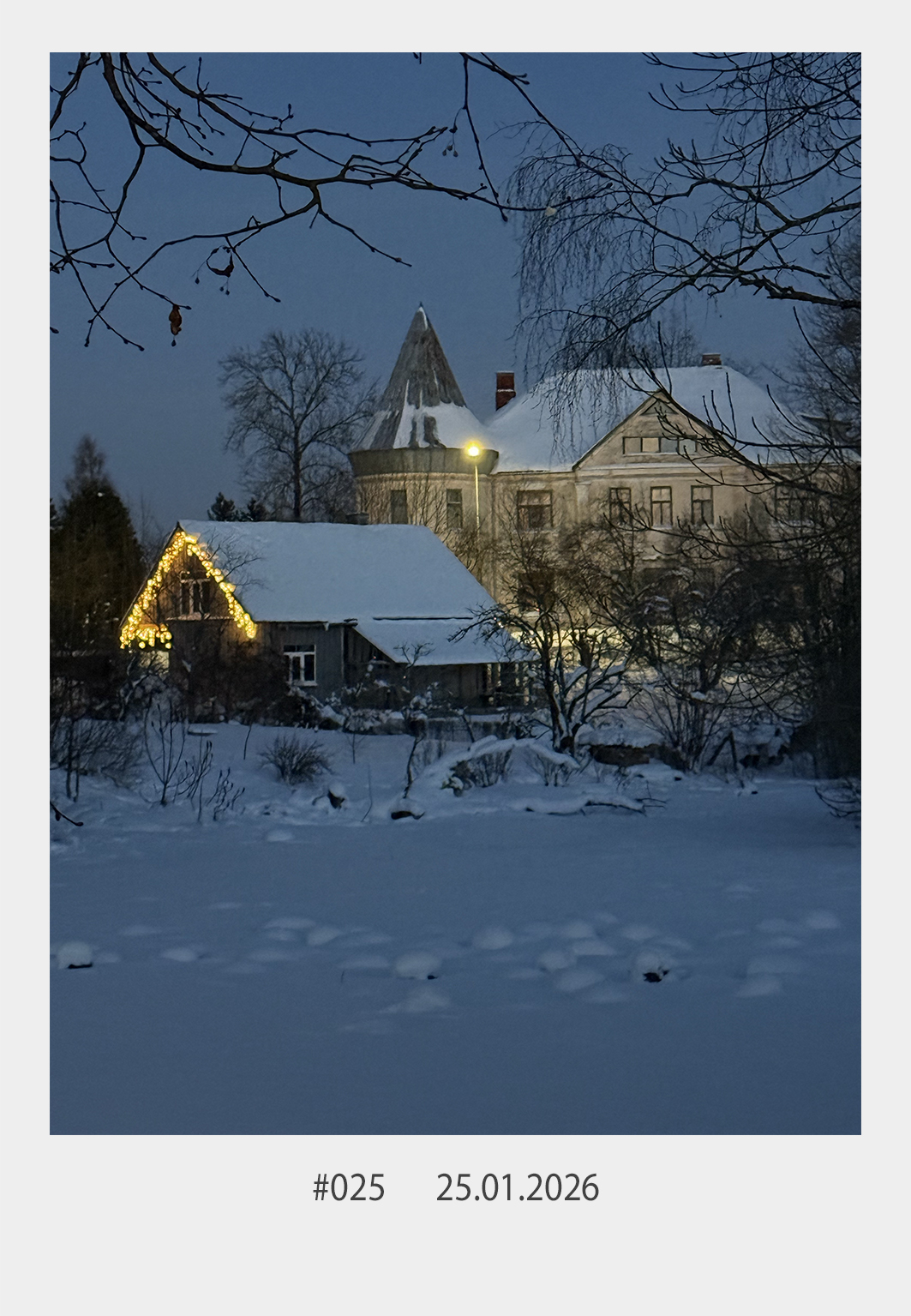
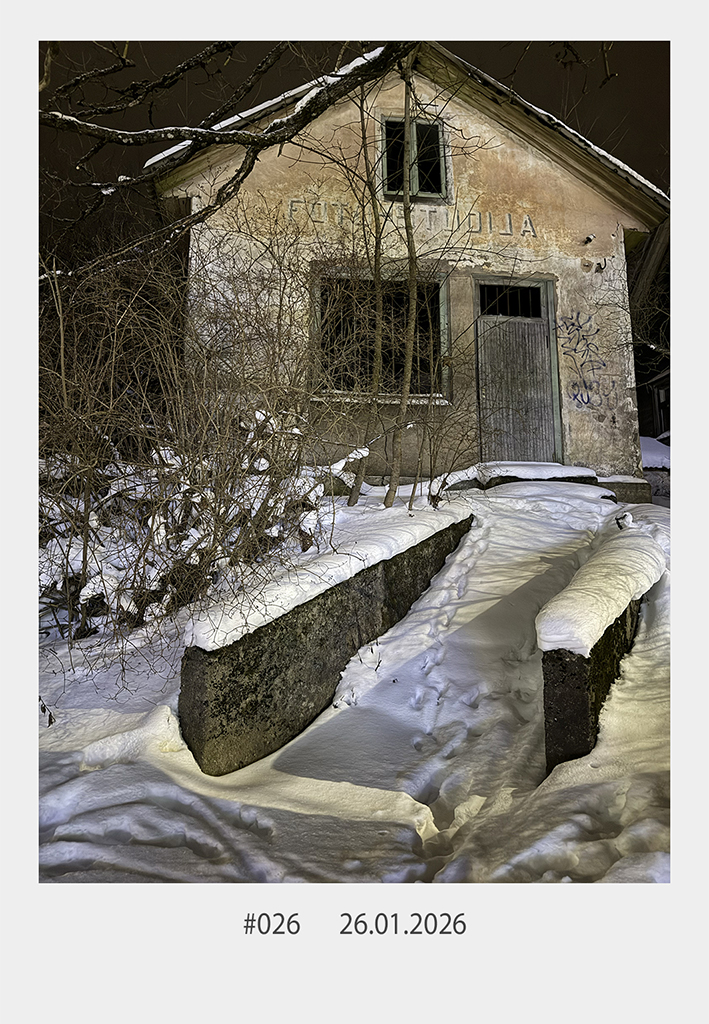
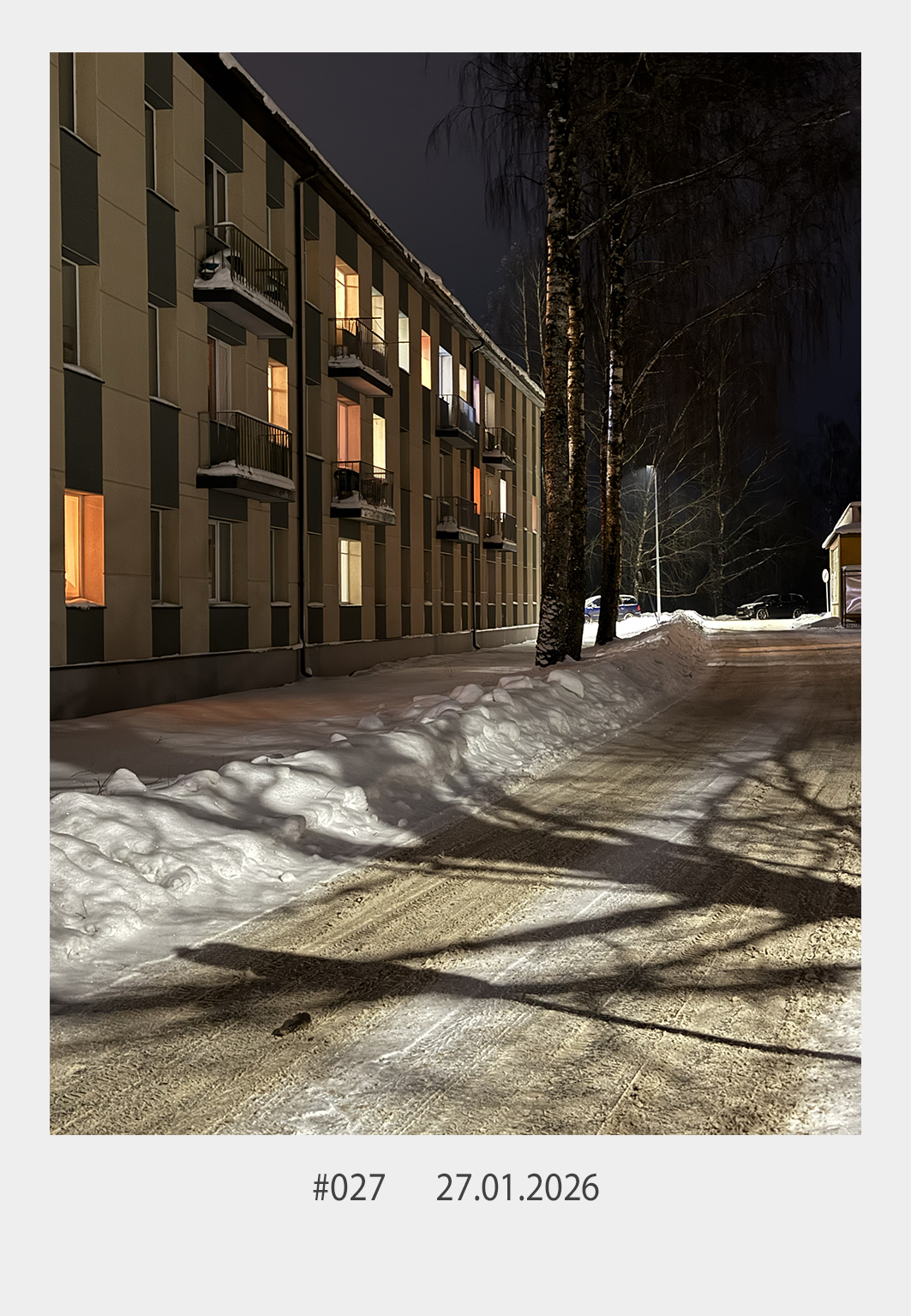
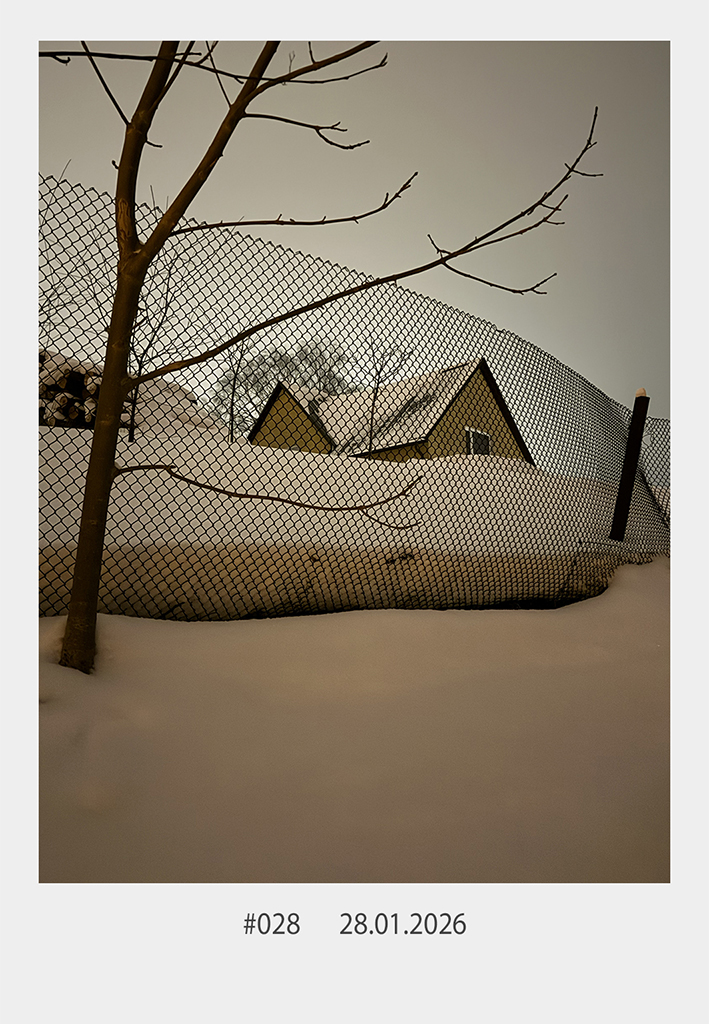
This project is not about events.
It is about presence.
A single frame cannot represent a day.
It does not summarize or explain.
It marks a point of attention —
a moment where perception becomes conscious.
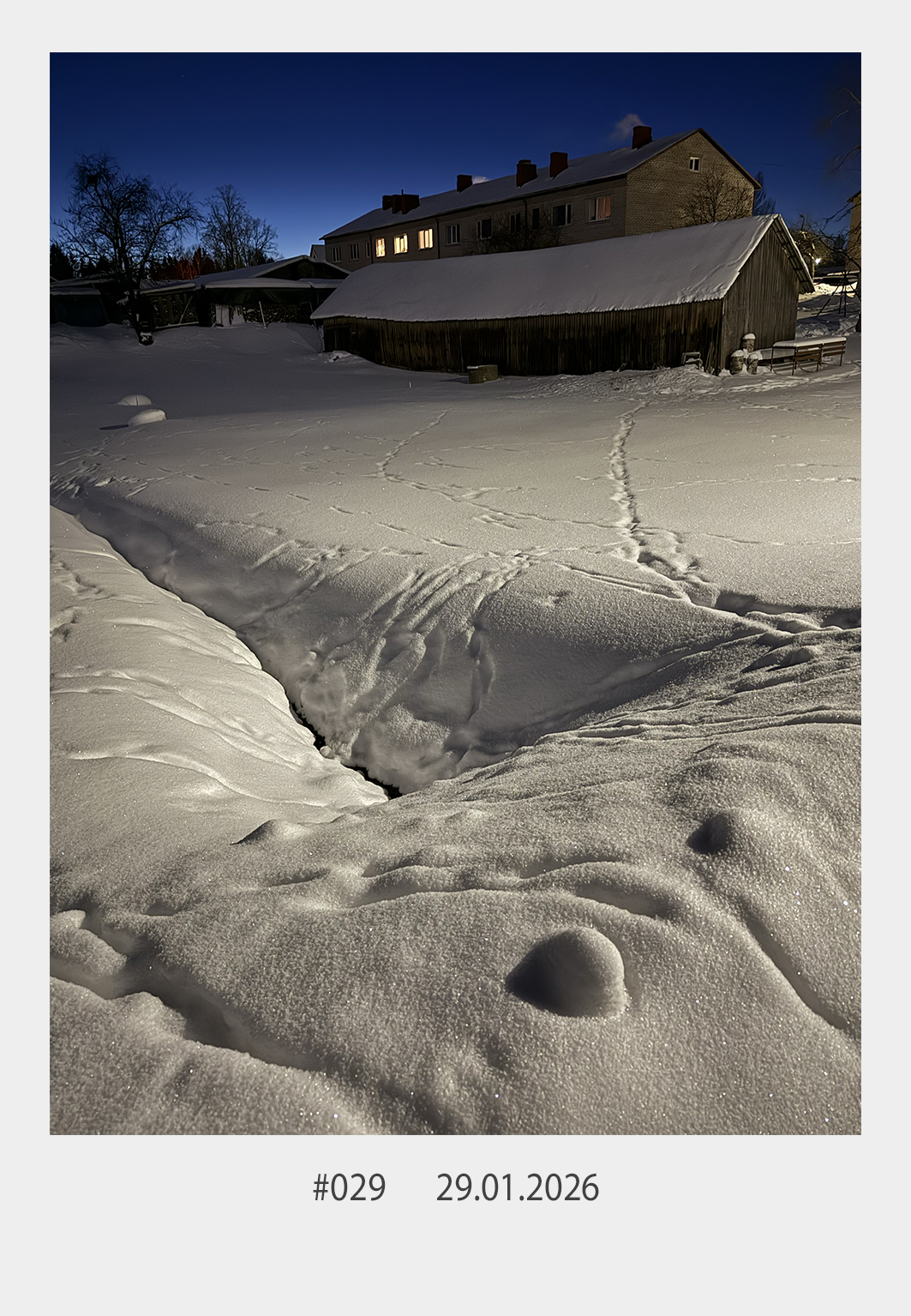
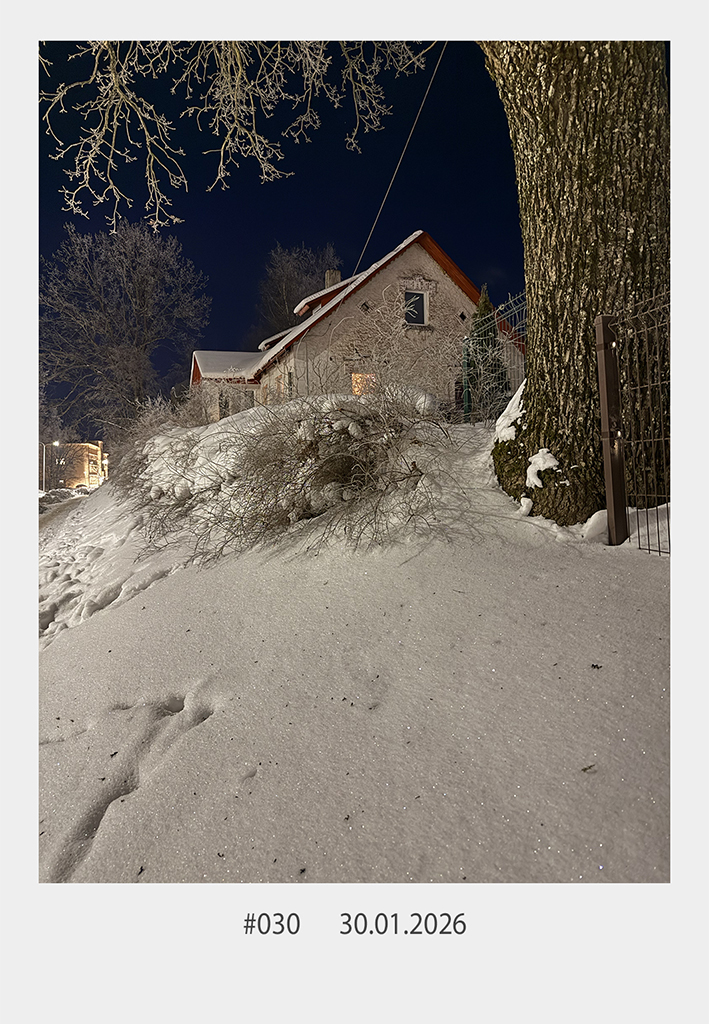
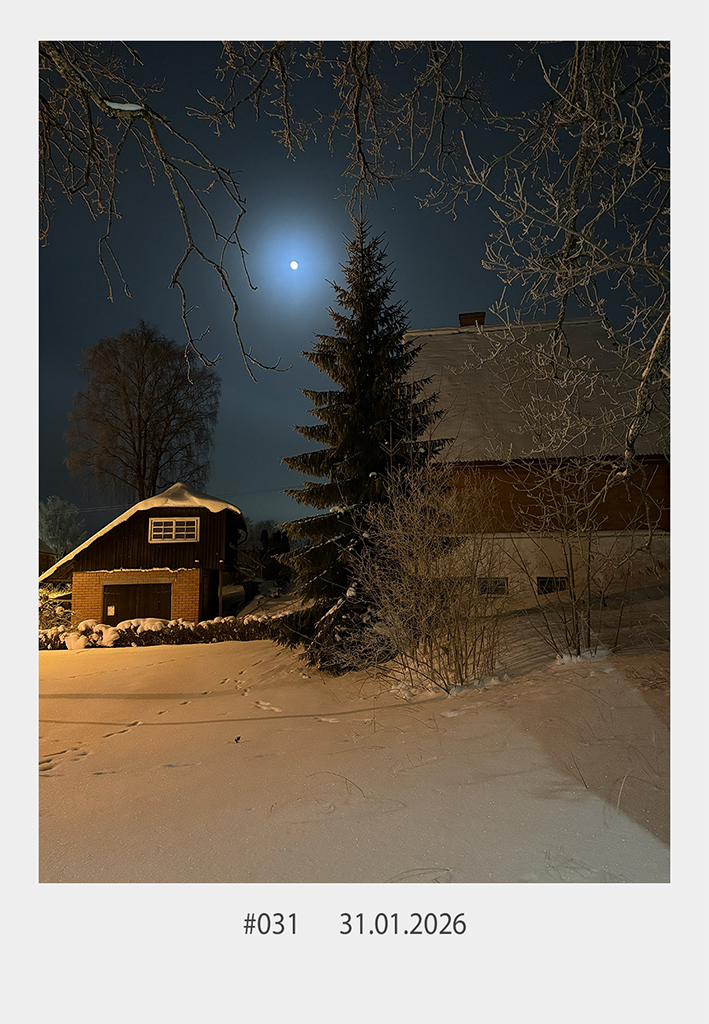
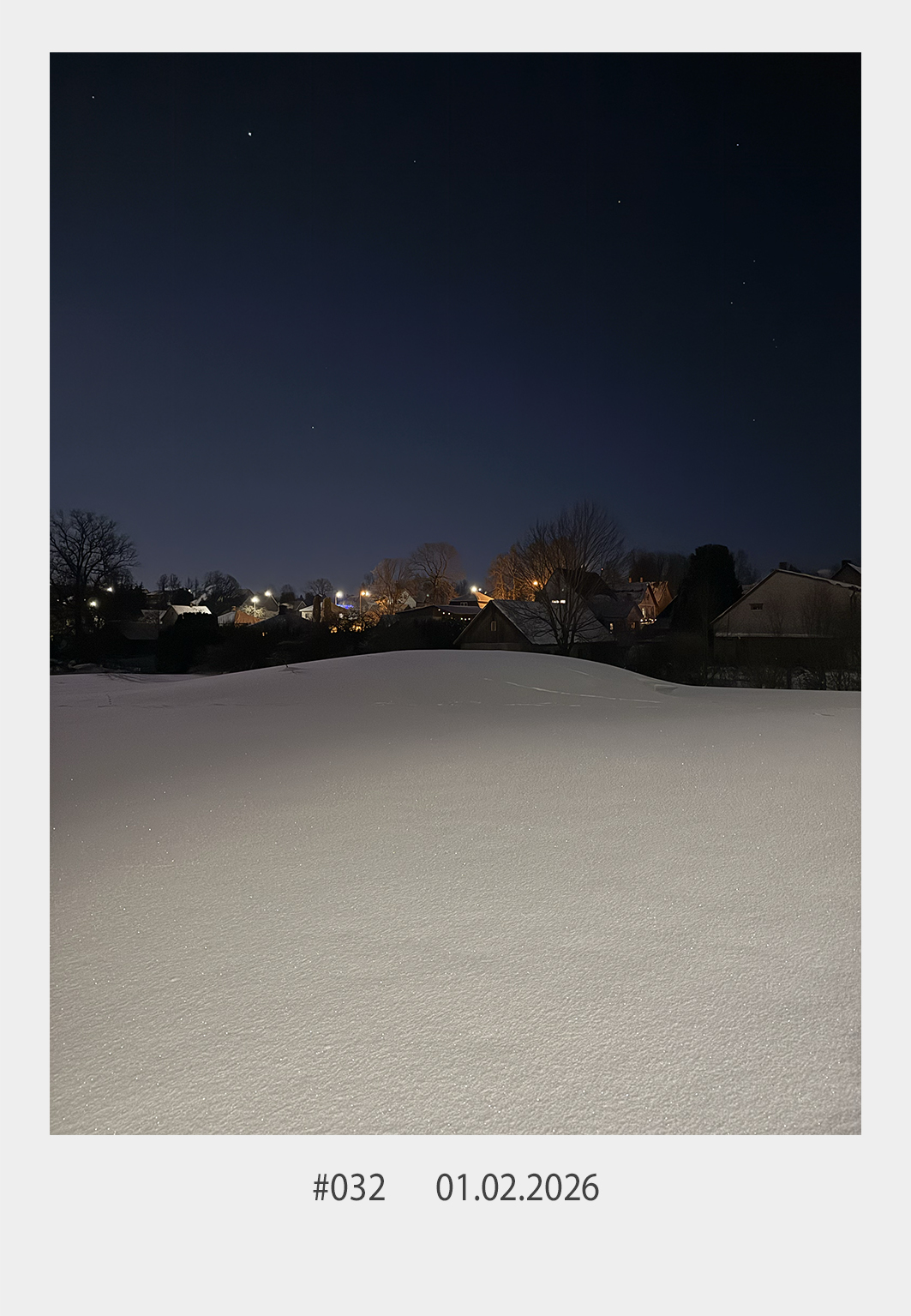
Each day requires a decision:
to go out,
to look,
to remain attentive.
Over time, repetition transforms perception.
The eye stops searching for the extraordinary
and begins to register what is already there —
shifts of light, traces of time, fragile alignments, small interruptions in the ordinary.
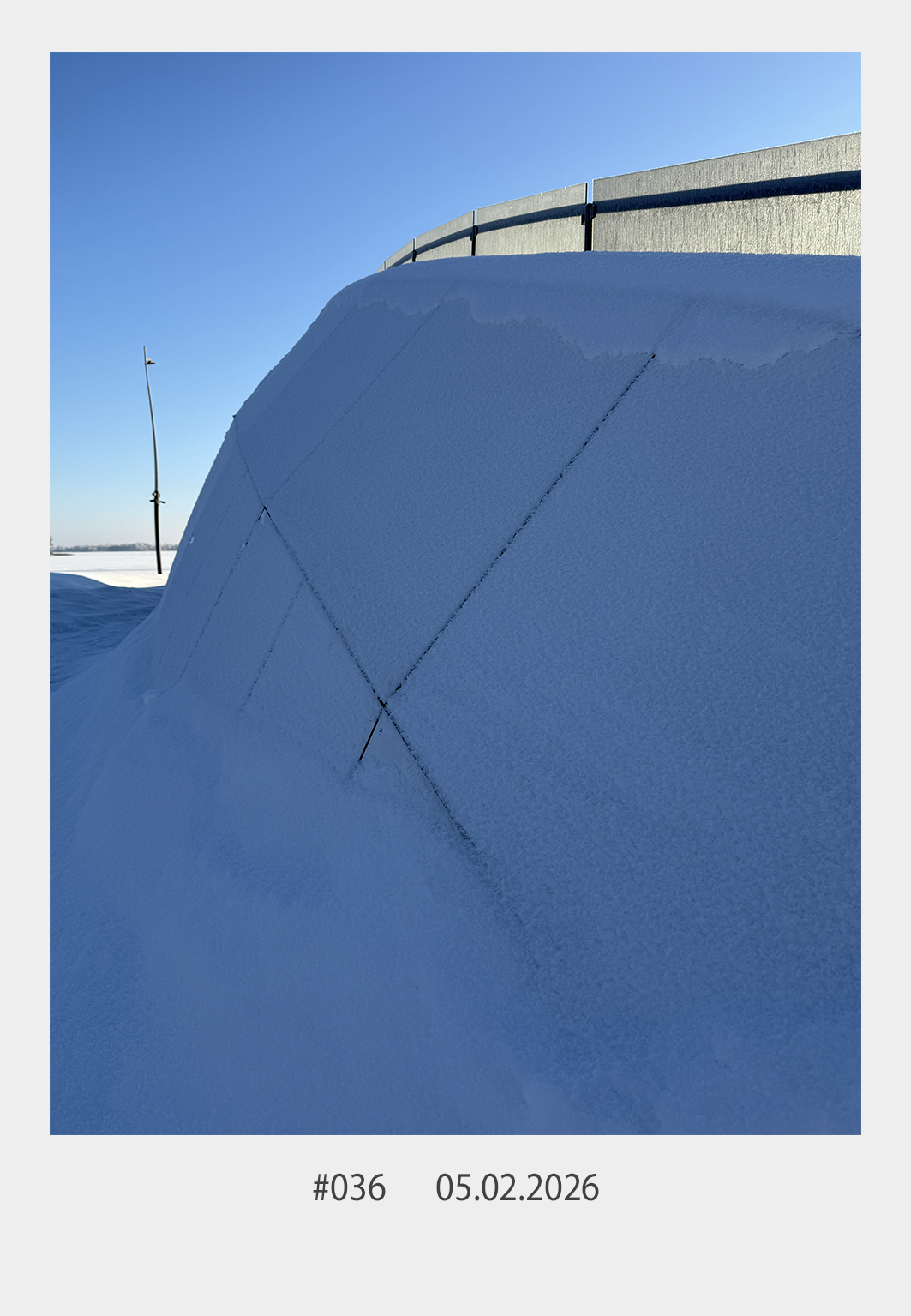
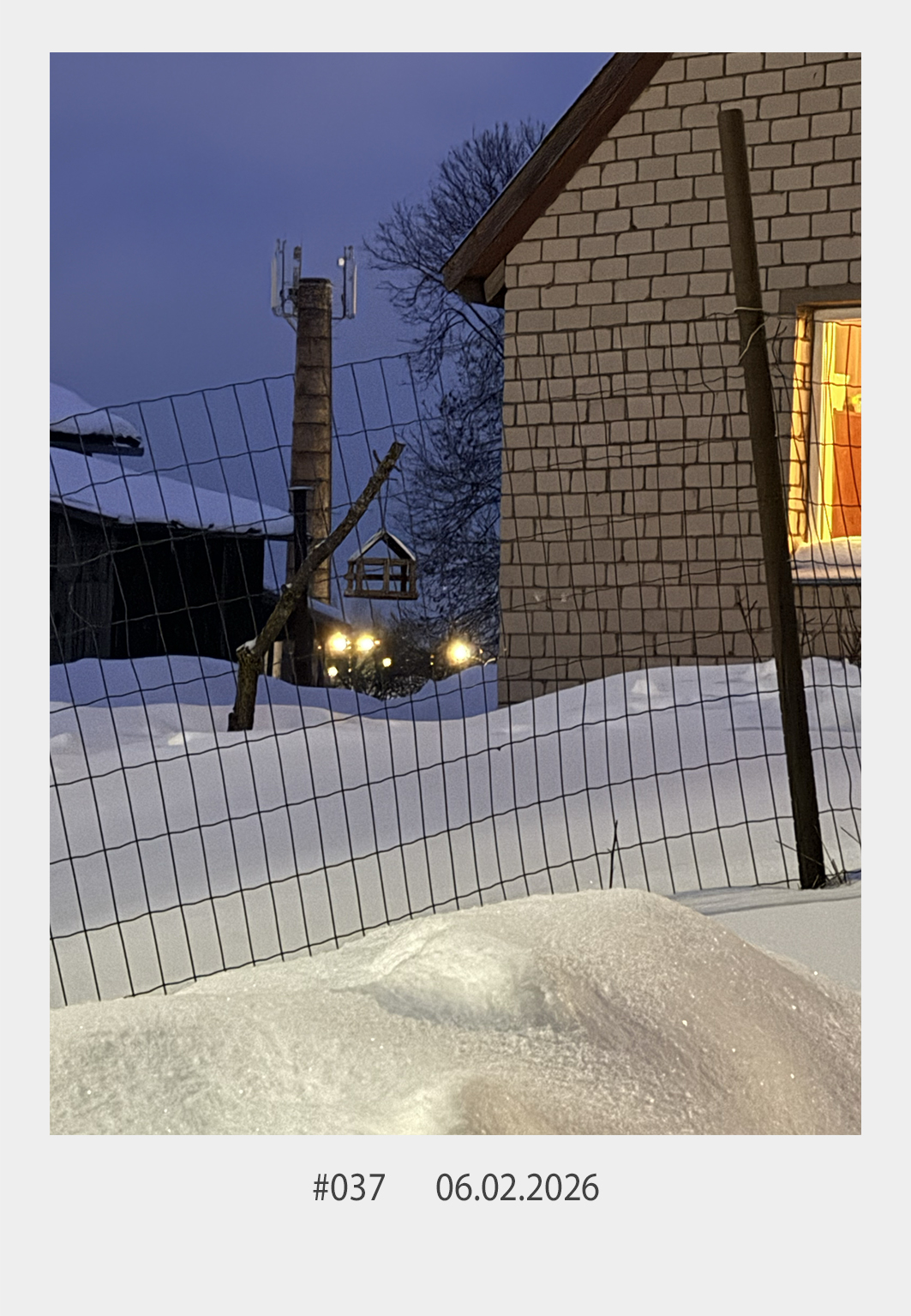
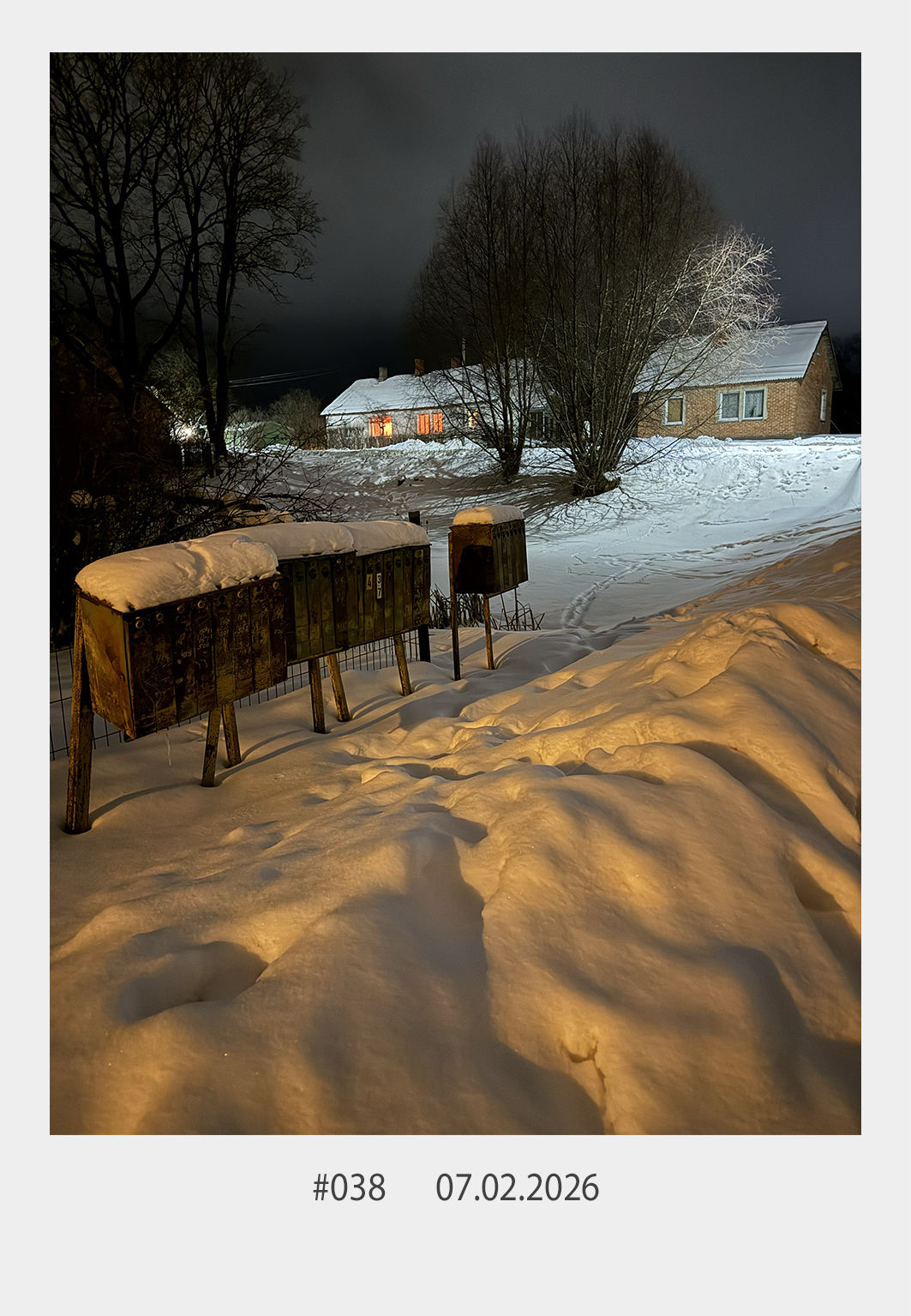
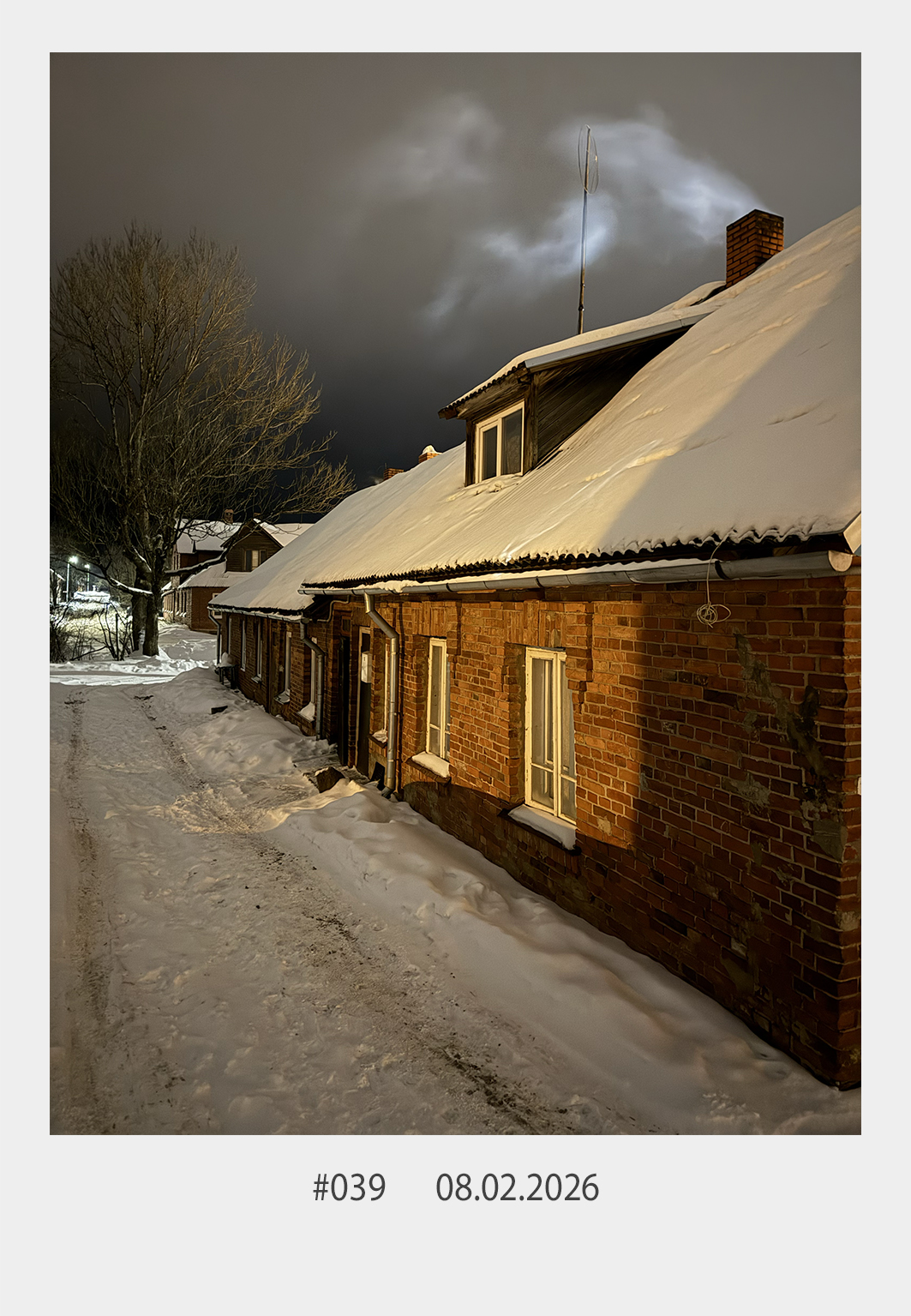
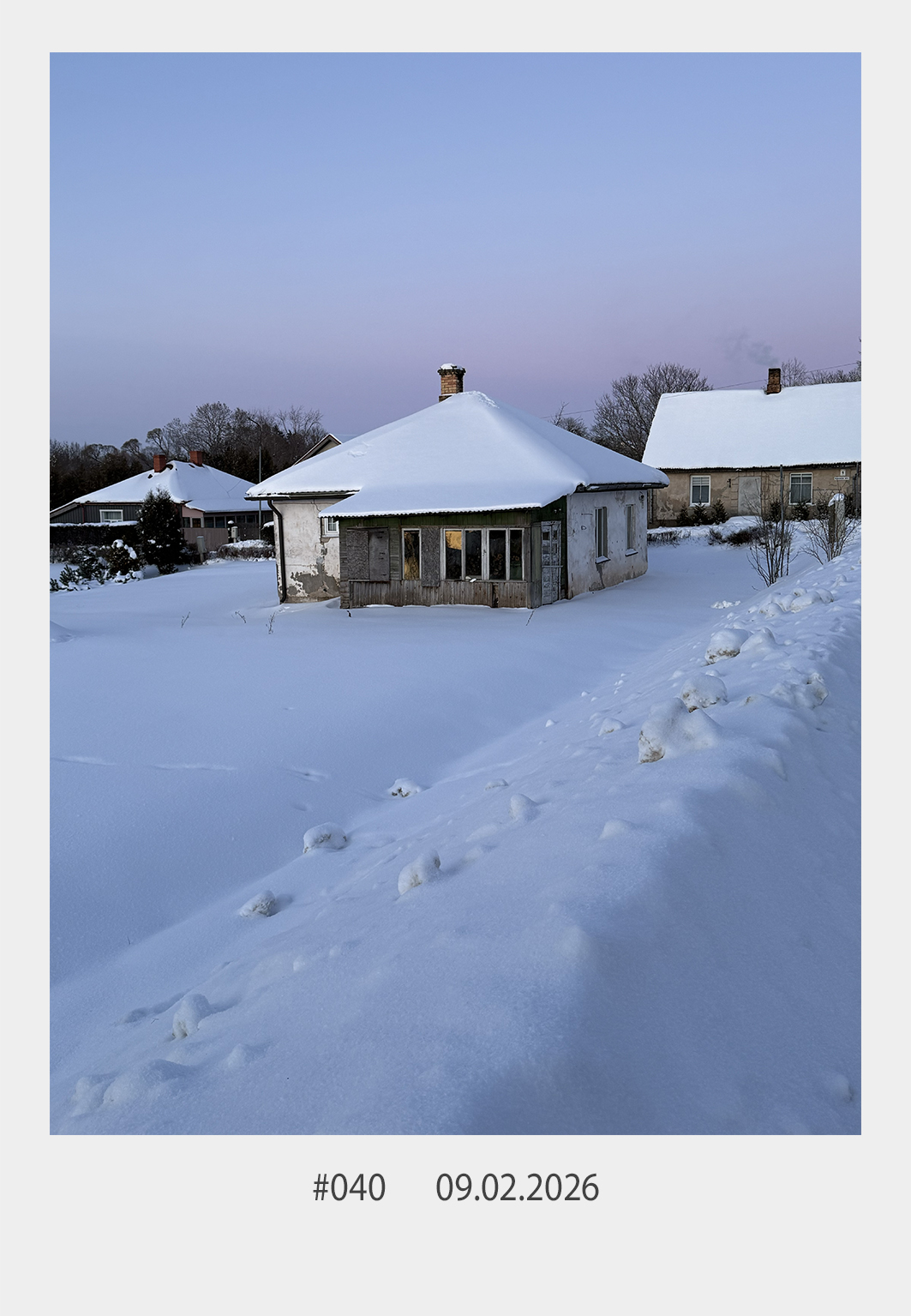
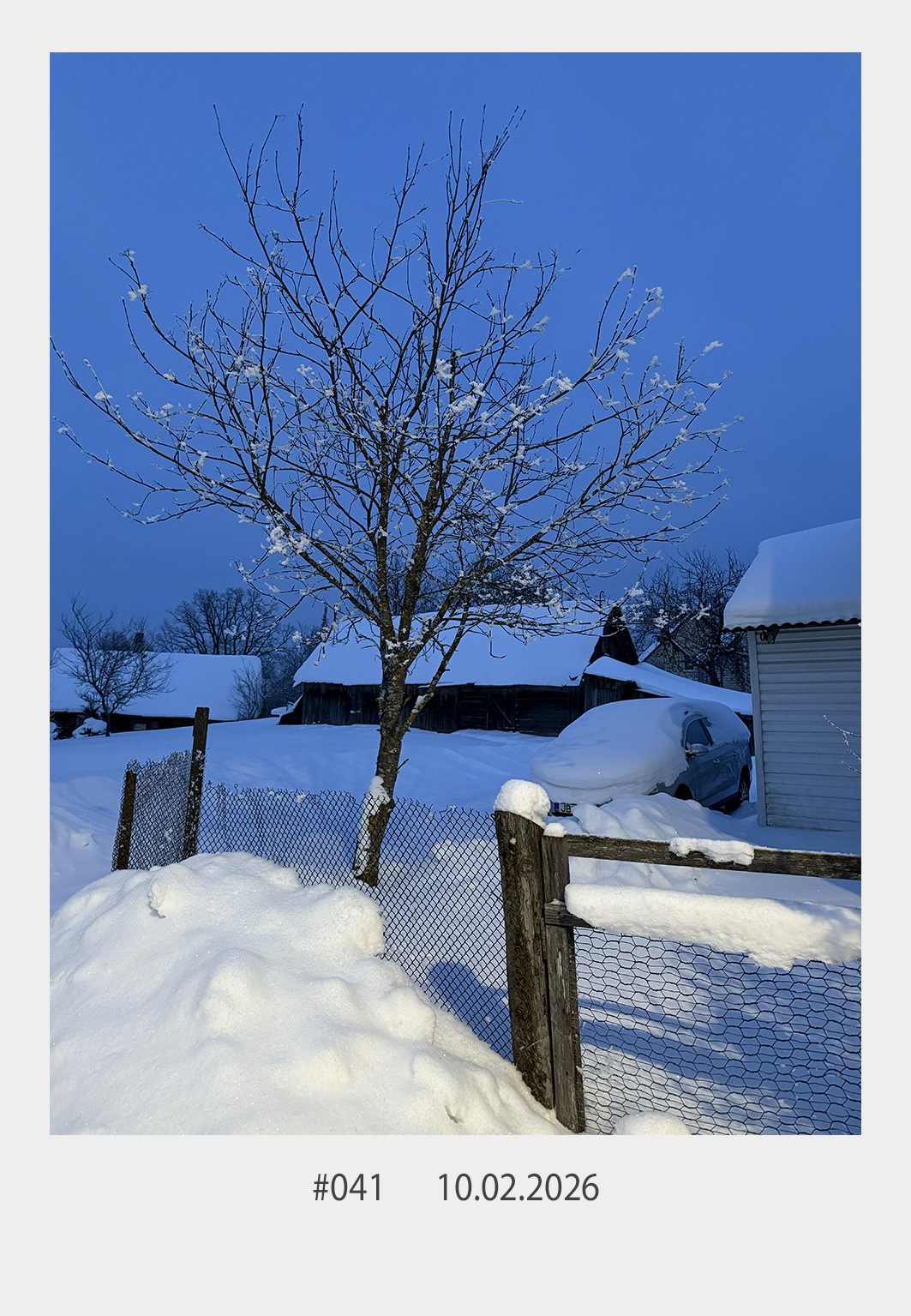
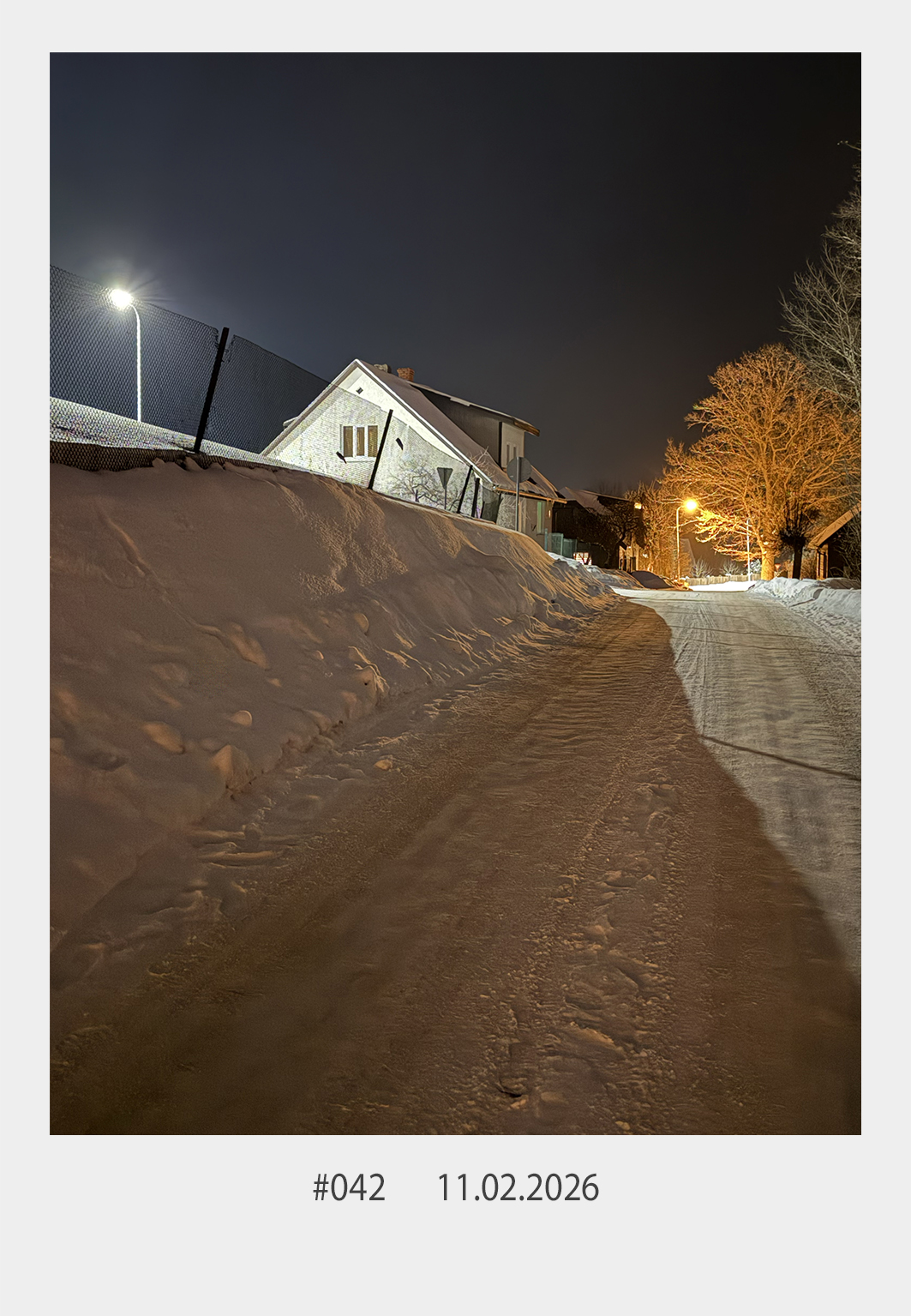
The same place never appears the same twice.
Weather changes.
Light shifts.
Seasons overlap.
The continuity of days does not produce a linear narrative,
but a fragmented visual diary.
Meaning does not exist in a single photograph.
It emerges through accumulation — through rhythm, contrast, repetition, and silence.
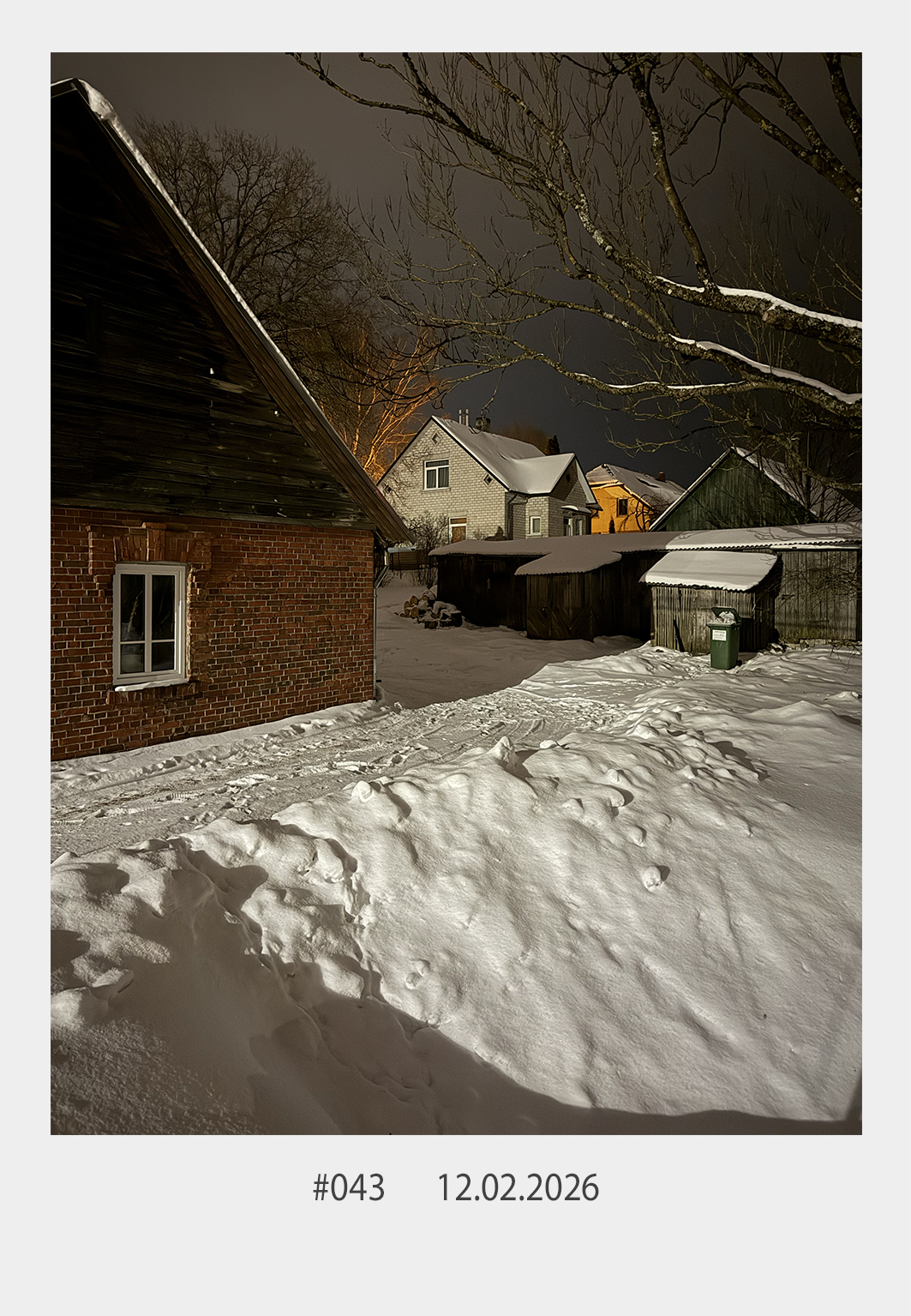
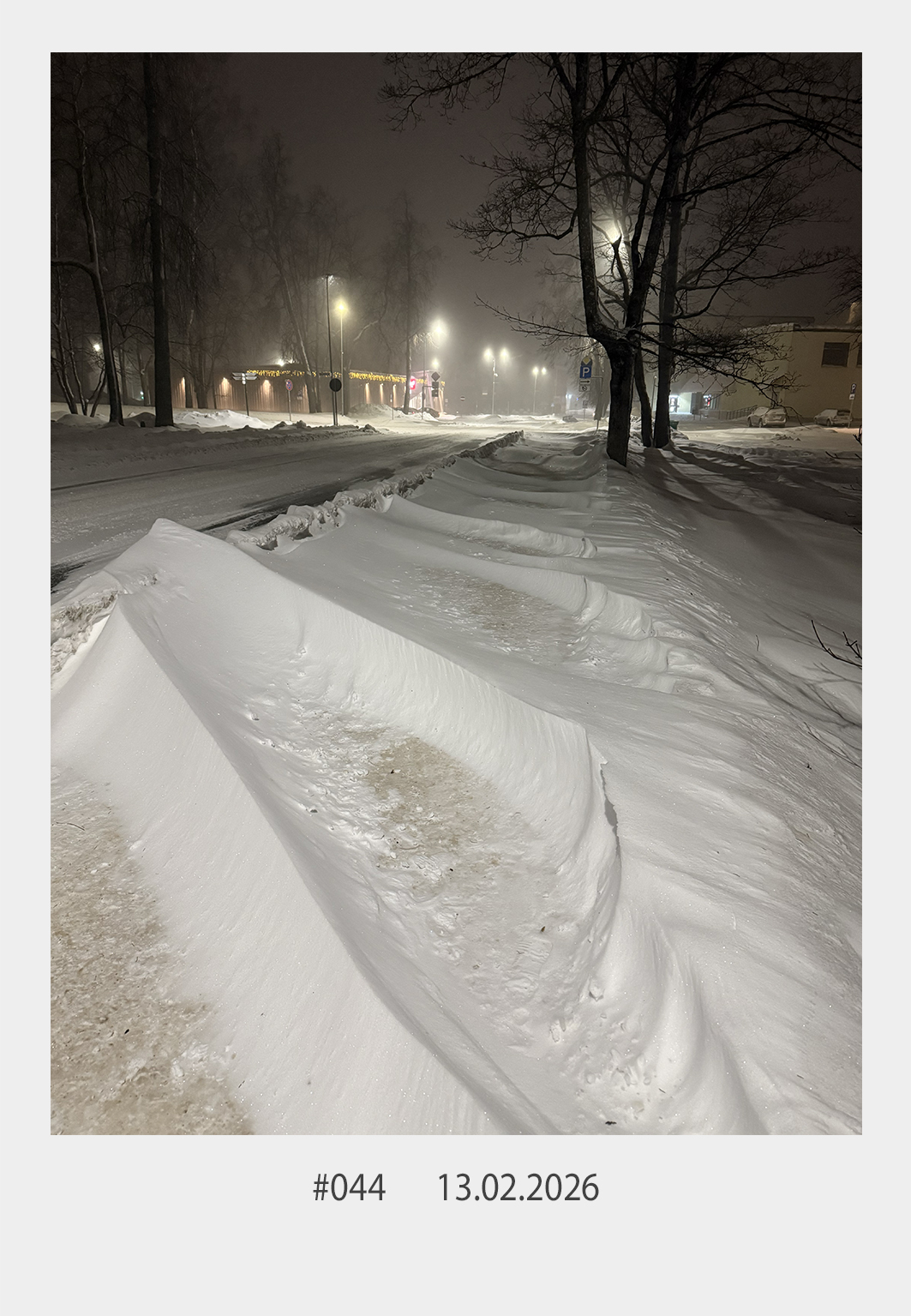
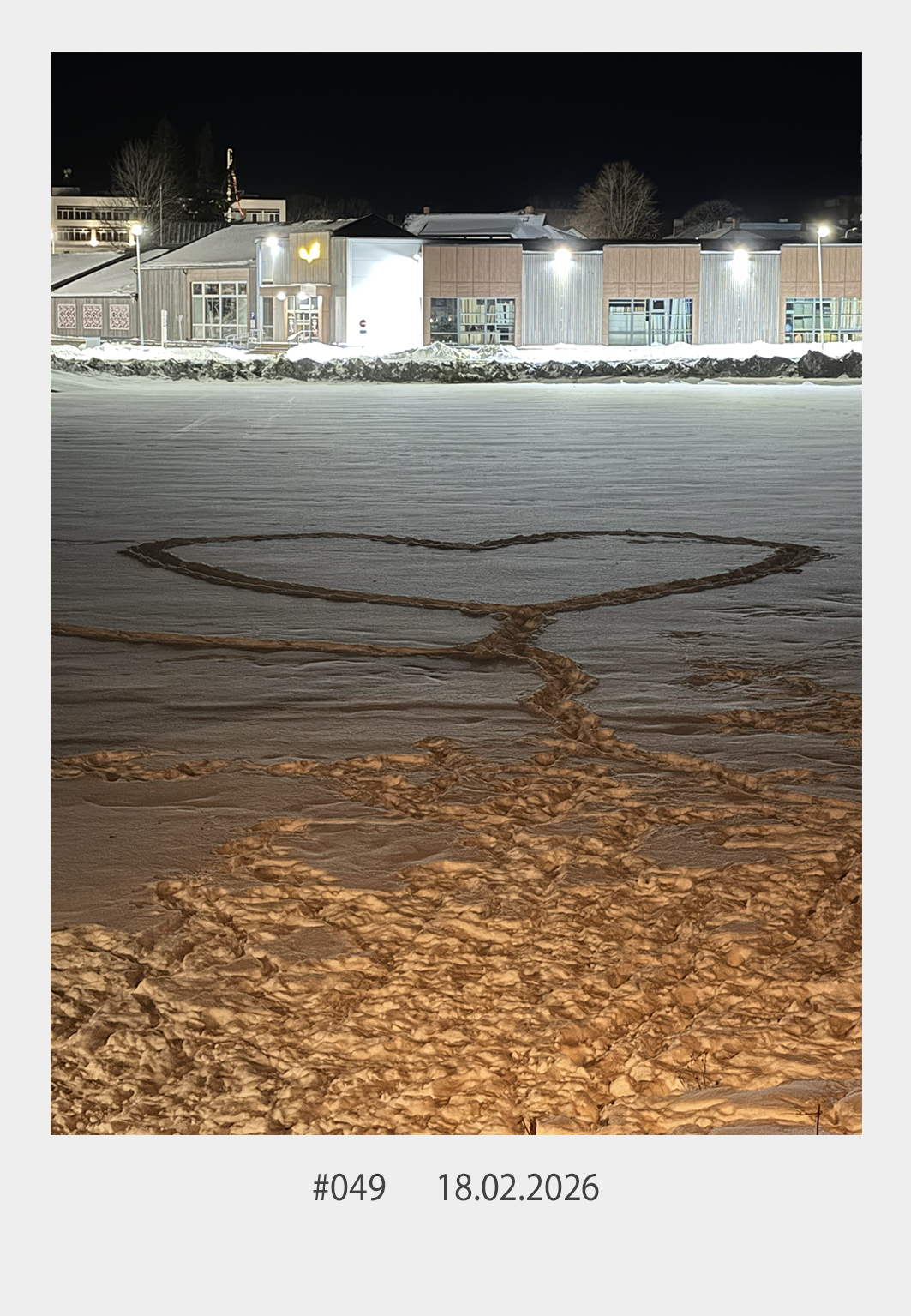
As the project unfolds, it becomes less about individual images and more about continuity.
Days accumulate into a structure that reflects both the external environment and an internal state.
Repetition does not produce sameness.
It reveals difference.
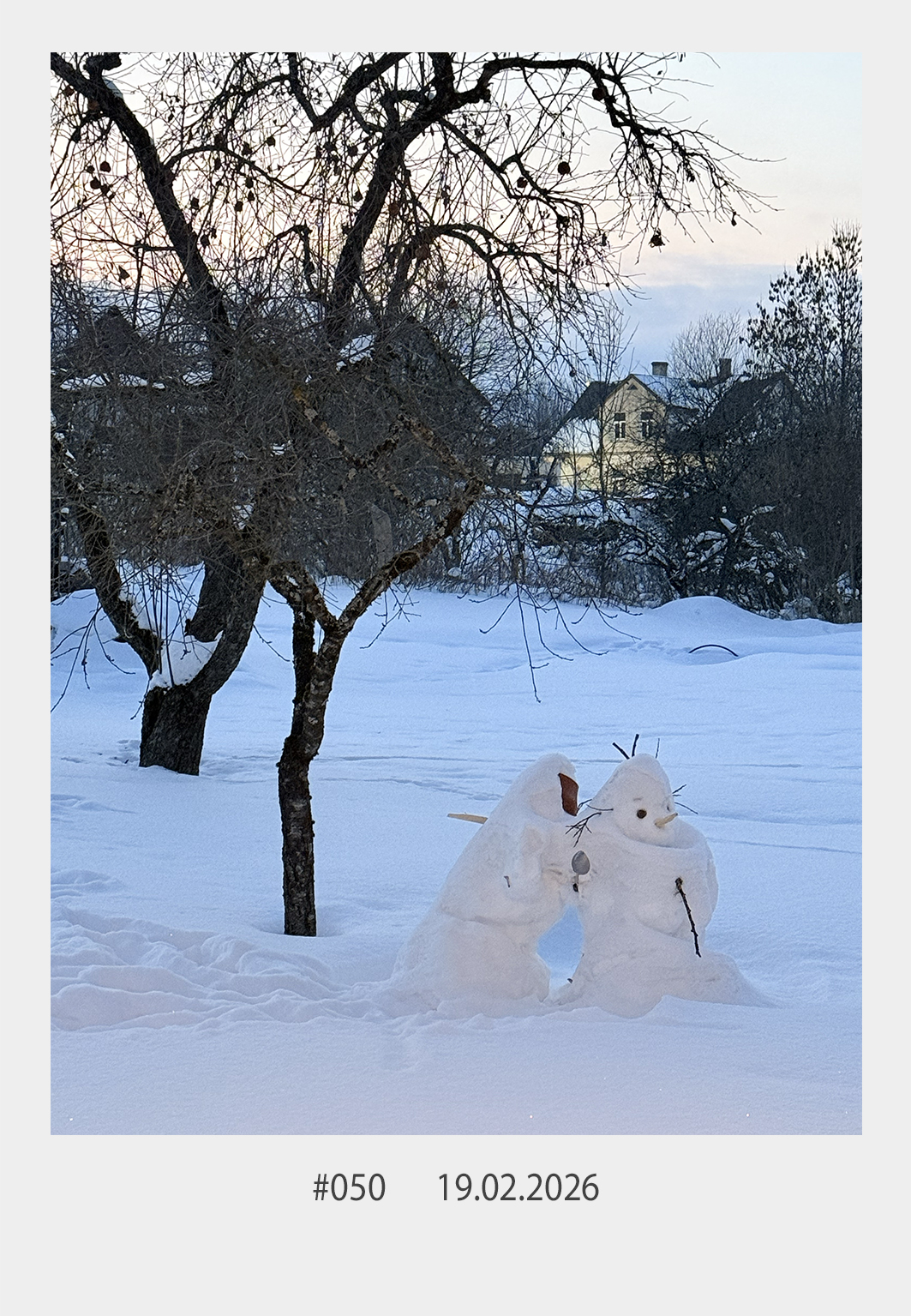
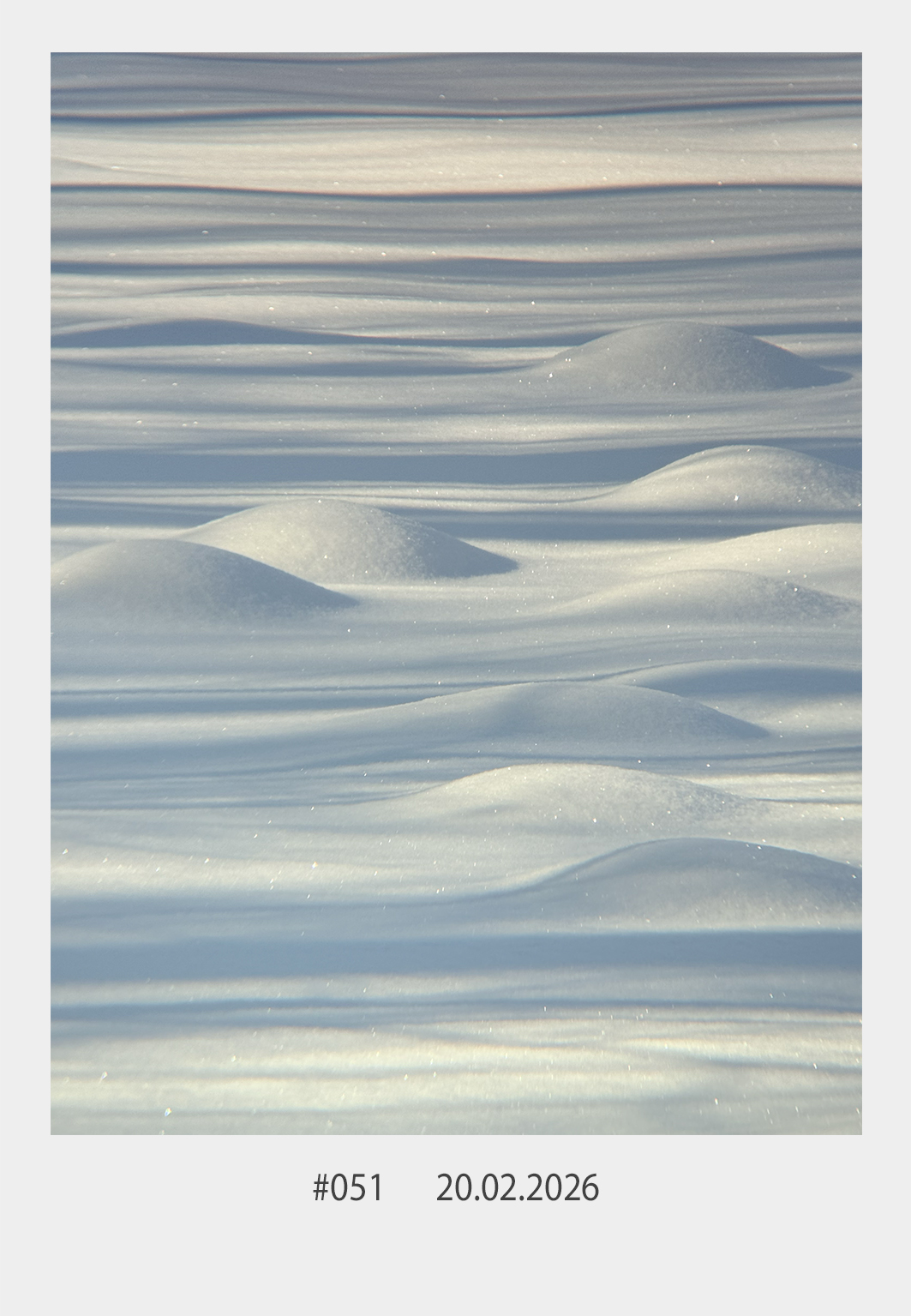
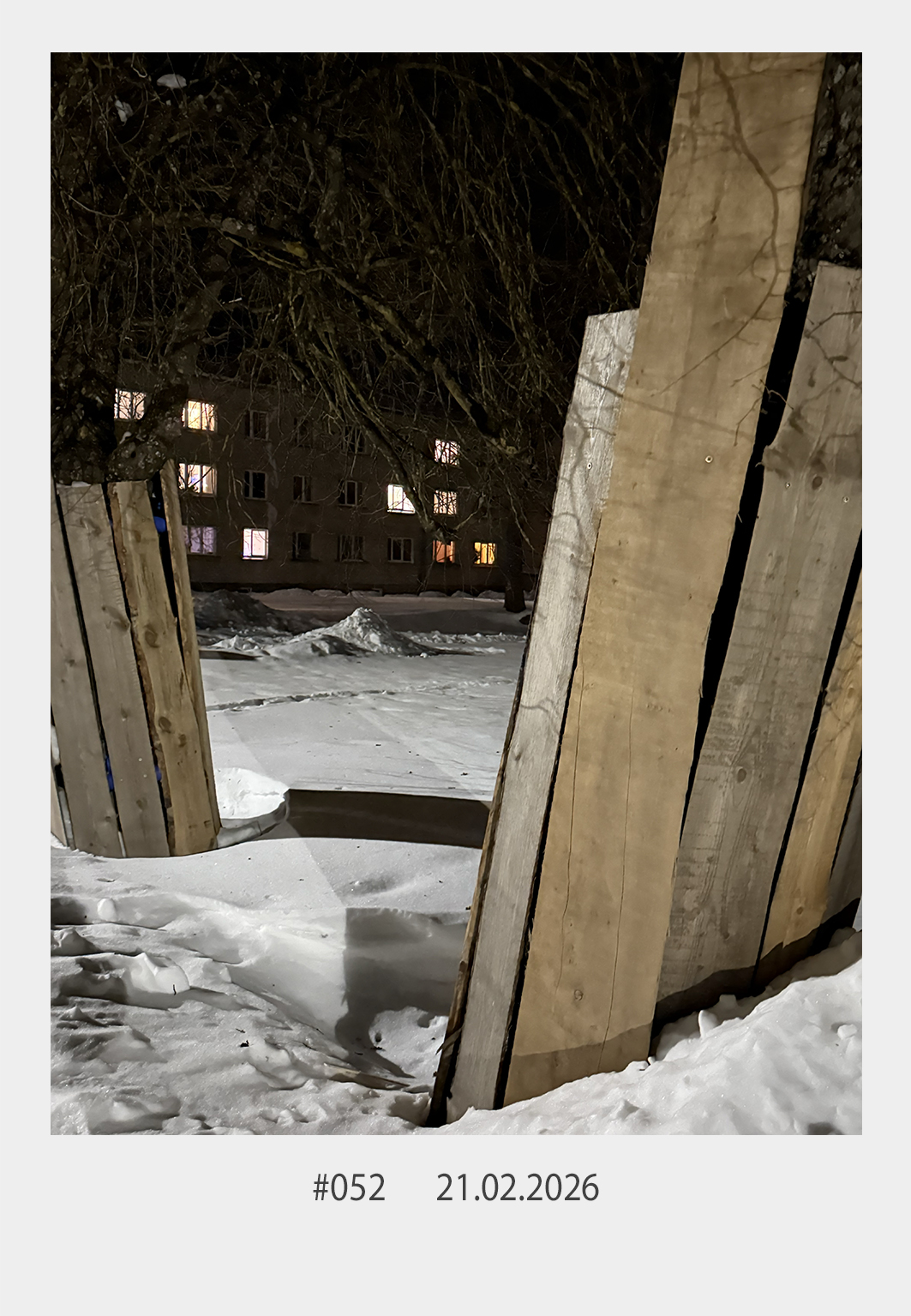
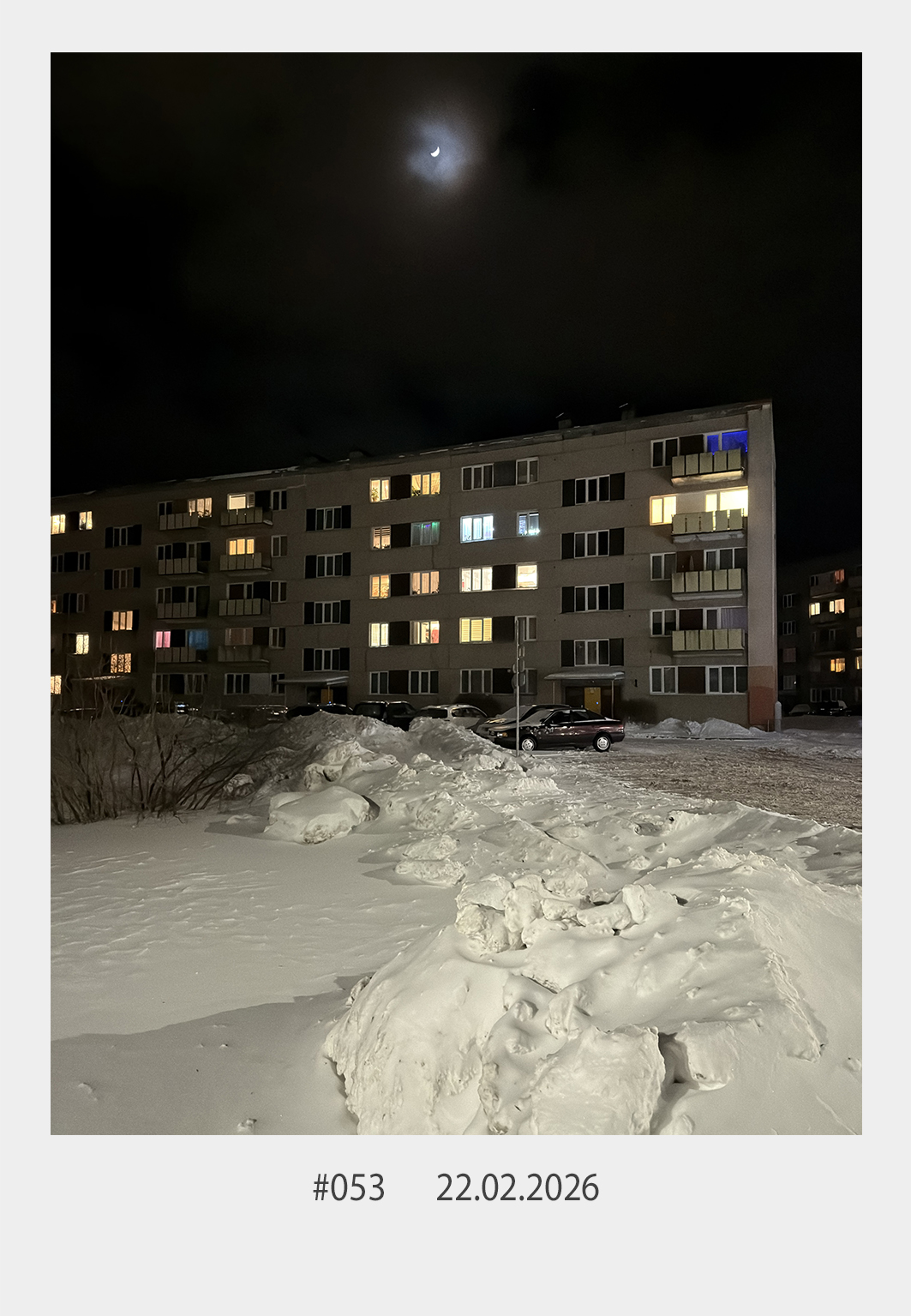
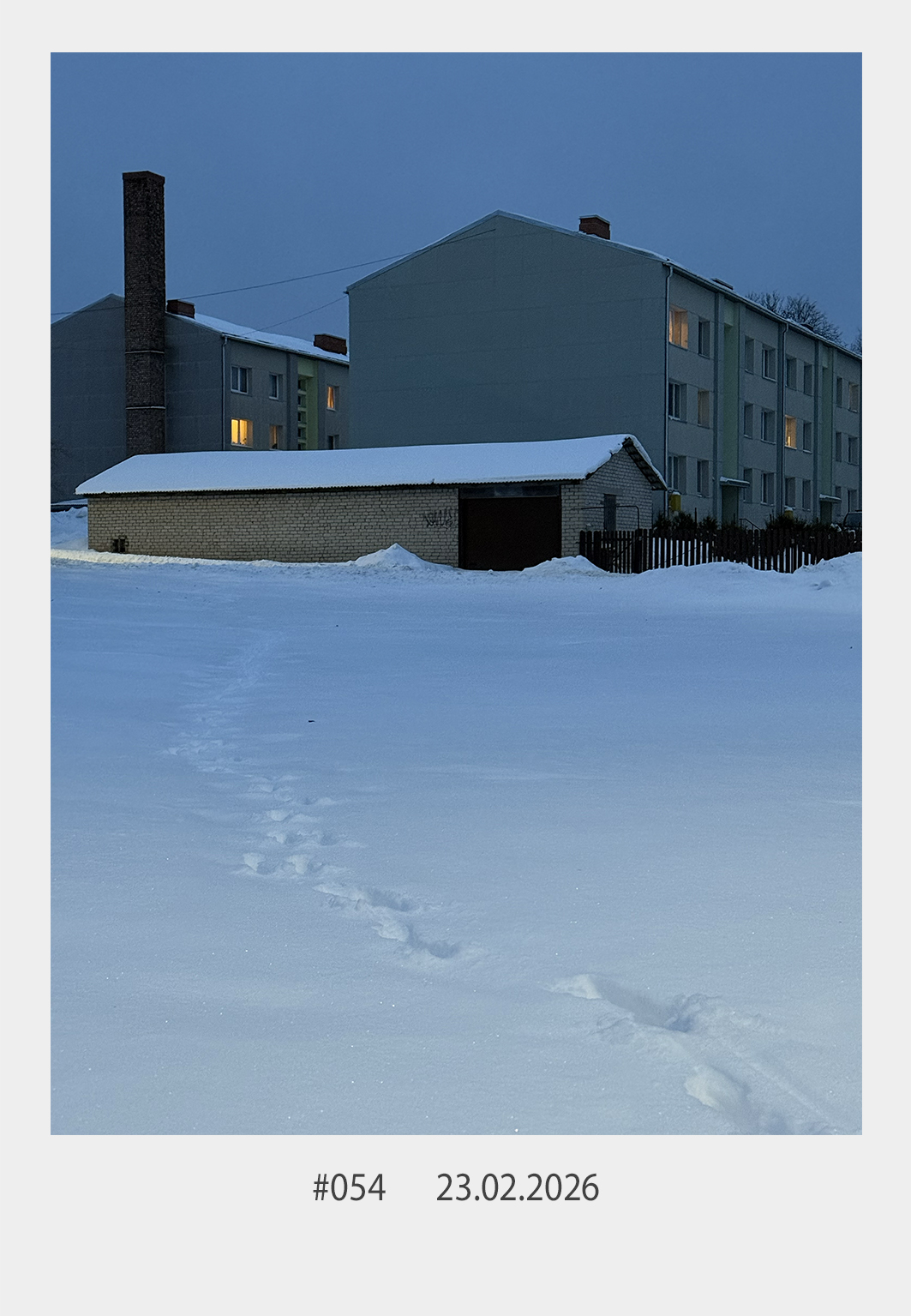
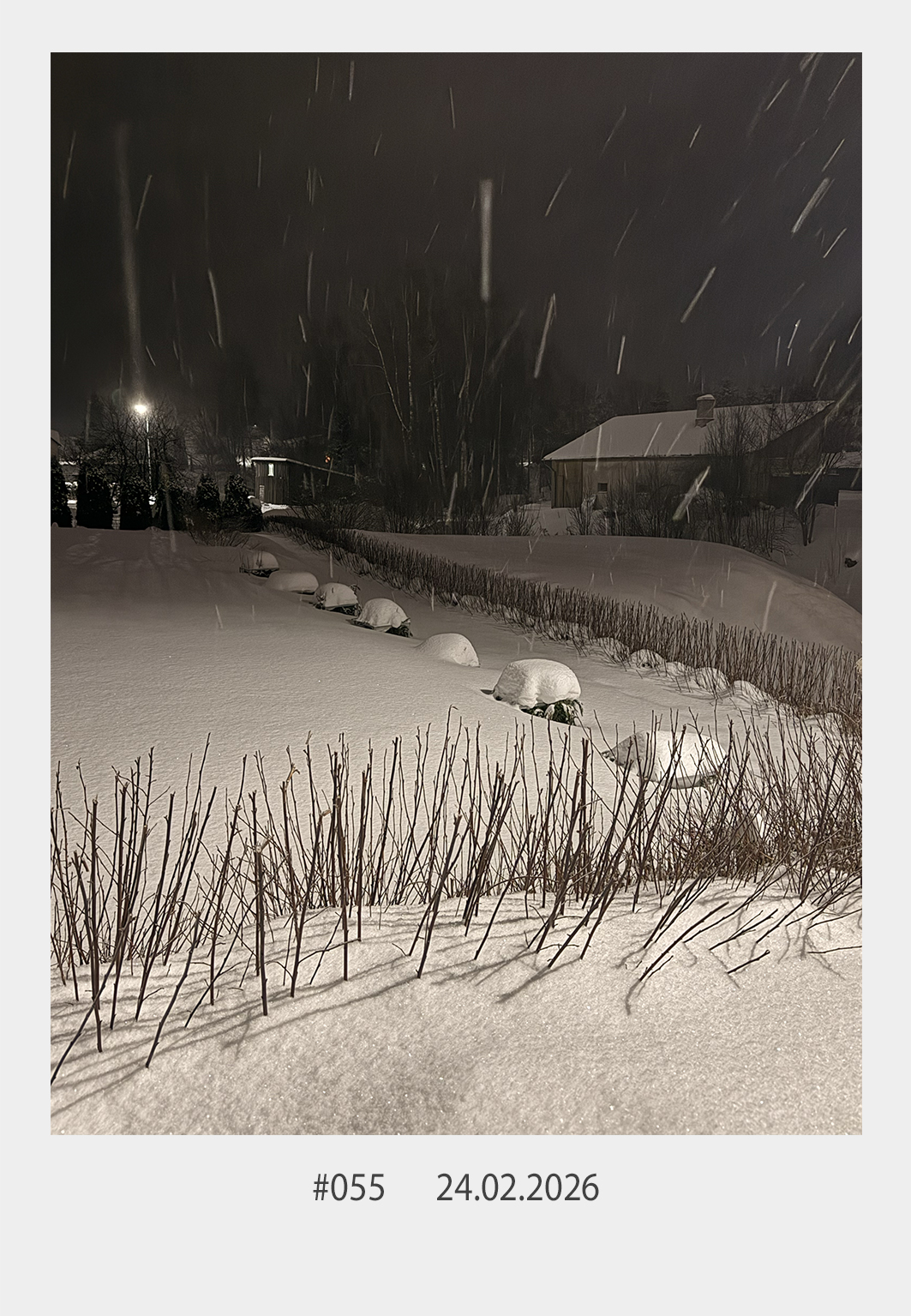
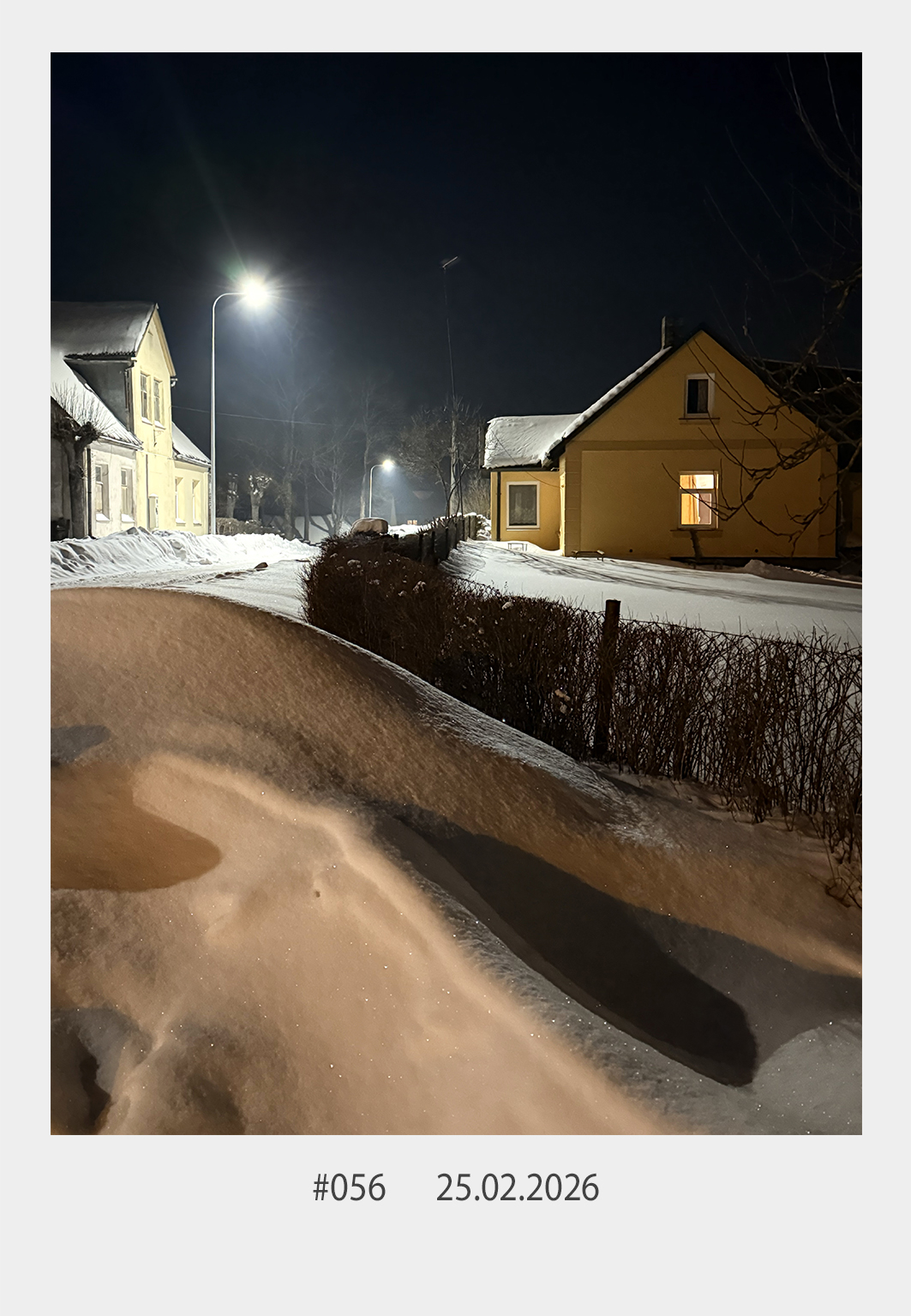
The discipline of one frame changes the relationship with time.
It removes the illusion that more images lead to a stronger result
and instead concentrates attention.
Photographing becomes inseparable from choosing.
Over time, the process reveals a psychological shift:
At first — impulse.
Then — discipline.
Eventually — a turning point.
The practice no longer requires effort.
It becomes a natural condition.
Photography is no longer an action.
It becomes a way of being present.
The vertical format narrows the field of view, creating focus and introspection.
It reflects an inward gaze —
not observing the world from the outside,
but from within it.
I chose to work with a mobile phone to keep the act of photographing as close as possible to daily presence — without preparation, without distance.
Each image exists as an immediate response.
Not constructed, but recognized.
Choosing a single frame is not selecting the best image,
but deciding what is allowed to remain.
The image becomes a trace of that decision.
This decision is made on the same day and fixed through publication.
Posting becomes a point of no return —
a commitment to a public timeline where the image cannot be replaced or withdrawn.
What is left behind does not return.
This introduces doubt —
not about the image itself,
but about the act of choosing.
The project does not resolve this doubt.
It preserves it.
Not every day offers a clear image.
Some days resist.
The rule remains unchanged.
The practice continues.
ONE DAY / ONE FRAME is not about documenting life.
It is a way of inhabiting time
through attention, limitation, and irreversible decisions.
It is also a form of attachment to place —
a continuous return to the same environment,
where nothing extraordinary is expected,
yet everything depends on the ability to see.
The project does not seek resolution.
It exists within repetition, uncertainty, and acceptance.